Formosa Grand Oolong

Formosa tea with notes of dried fruits

Regular price 15,45 €
Sale price 15,45 € Regular price 15,45 €
Unit price  per 
Tax included. Shipping calculated at checkout.
bulk packaging
Thé oolong Formose Grand Oolong - Thés

Formosa Grand Oolong

100% secure payment

3 free samples with each order

Fast and free delivery for purchases over €65

Tasting moment:
Tasting moment: Tout au long de la journée
Infusion time:
Infusion time: 5-7 min
Water temperature:
Water temperature: 80°C

- Semi-fermented formosa with a chestnut-like flavour -


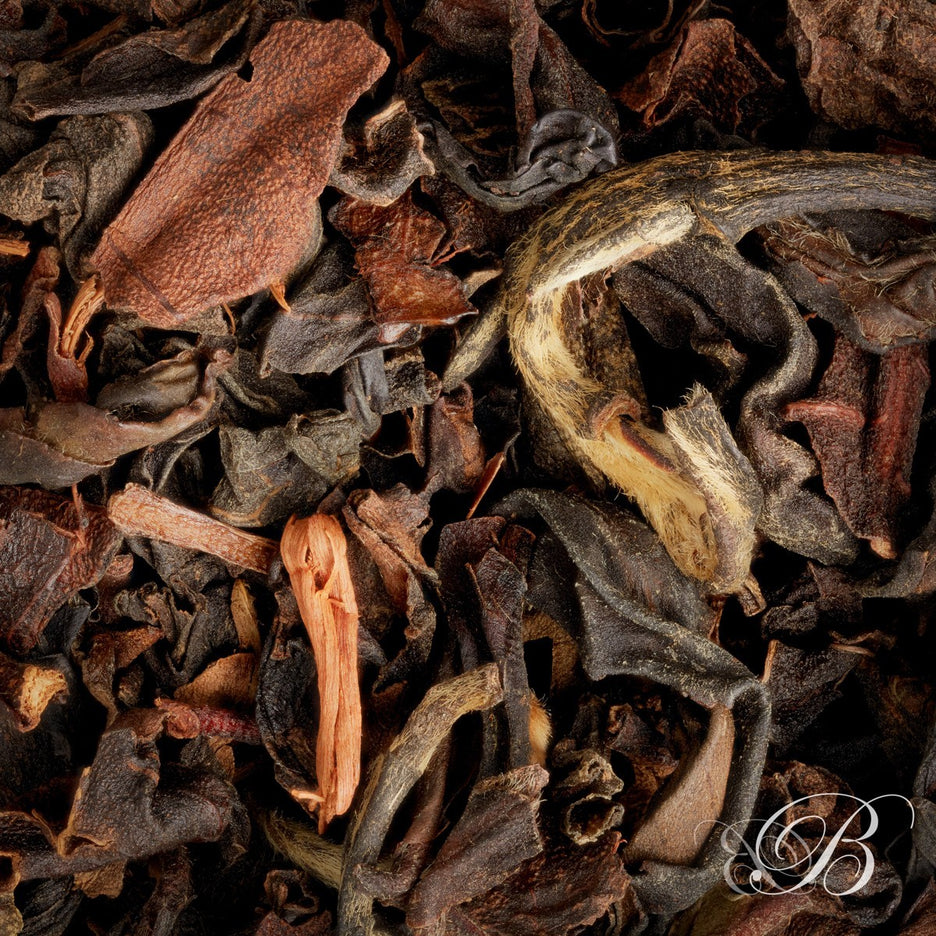
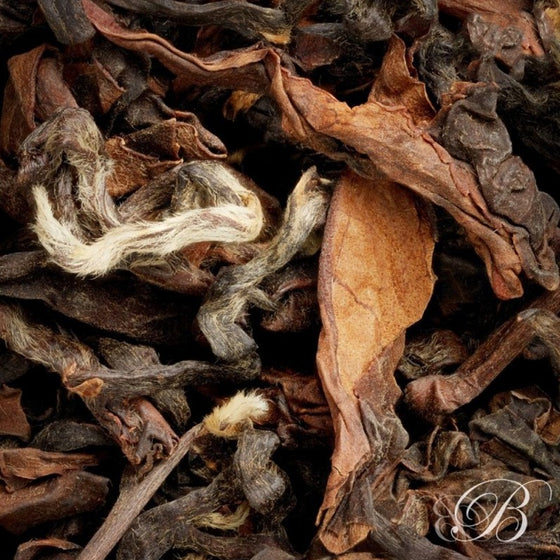
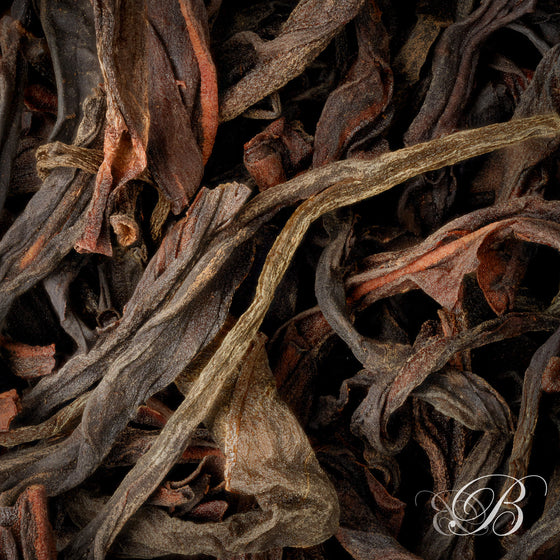
This blue-green tea gives a clear infusion with a chestnut-like flavour.

With a low theine content, this tea is to be enjoyed plain, with no milk.

Very relaxing tea.

There are teas that tell the story of a season all by themselves. Formosa Grand Oolong belongs to this intimate family, that of teas which seem to carry within them an eternal autumn, with its deciduous forests draped in mist, its undergrowth still beaded with moisture, its baskets of warm chestnuts and that amber sweetness which recalls the last glimmers of an October afternoon.

The very name "Formosa" refers to an ancient memory: that which Portuguese navigators in the 16th century bestowed upon this steep and lush island, Ilha Formosa, "the beautiful island". An island that appeared to them as a striking relief rising from the ocean, a land of vertical mountains and hanging valleys, perpetually touched by clouds.

It is in the heart of this spectacular landscape that this tea is born, in one of its most emblematic cradles… The Lugu district is much more than a place of cultivation: it is a landscape inhabited by tea. Roads wind between steep slopes, deep bamboo groves, and subtropical forests where endemic species still thrive. The district is irrigated by a network of springs and rivers flowing down from the central mountains, bringing precious mineral purity to the ecosystem.

Mount Dong Ding itself, whose name means "Frost-Struck Peak," dominates this mosaic of valleys. Locals say that in the early morning, the peaks once appeared dusted with silver due to the cold mists that clung to them. This very real phenomenon partly explains the delicate aroma of the tea plants cultivated on these slopes.

Since the 19th century, the techniques originating in Fujian have adapted to this rugged terrain, and then, little by little, been transformed by local conditions. This has given rise to a Taiwanese school of oolong tea, unlike any other, where small family farms, often located on narrow plots clinging to the mountainside, perpetuate practices passed down through generations. In these families, tea making is not just a craft: it is a direct connection to the landscape, to the point that some producers say they "listen to the mountain" before deciding whether to wither or roast their tea.

Formosa Grand Oolong belongs to the lineage of intensely oxidized oolongs. With oxidation reaching approximately 70%, it approaches the characteristics of black tea while retaining the elegant structure and fluidity typical of oolongs. The leaves, picked at an advanced stage of maturity, embody the slow cycles of the mountains: cold winds from the peaks, dappled sunlight, and the temperature variations between day and night.

This identity makes it a tea that, in Taiwan, evokes the seasons of transition. In many families in the center of the island, it is served during large autumn gatherings, ancestral reunions, or evenings where conversation lingers. In traditional markets, one can sometimes see a master roaster, seated before his clay oven, turning the hand-roasted leaves with almost meditative care. Tea then becomes an element of living culture.

More oxidized versions, like this Formosa Grand Oolong, are particularly popular in Europe and the West. Their enveloping warmth and reassuring, almost nostalgic quality are appreciated, like a familiar scent encountered on a travel. This tea appeals to those seeking an expressive yet non-tannic oolong, as well as to enthusiasts who enjoy extending the tea ritual into the evening. With its naturally moderate caffeine content, it offers a generous presence without any jitters, making it an ideal companion for quiet moments, late-night reading, after-dinner drinks, or simply moments of peaceful relaxation.

Food and tea pairing
Prepare a classic Mont Blanc, with its silky chestnut cream, delicate meringue, and swirl of Chantilly cream. Serve a piping hot Formosa Grand Oolong alongside it. It is in their interplay that the magic happens: the sweet warmth of the chestnut responds to the roasted notes of the oolong, while its forest honey enhances the candied richness of the chestnuts. The deep oxidation of the Formosa then reveals its coppery and woody nuances against the creamy richness of the dessert, creating an almost crystalline verticality. Where the Mont Blanc comforts and envelops, the oolong illuminates and refines.

Recipe based on Formosa Grand Oolong tea
To reinvent salmon glaze with a touch as refined as it is unexpected, let Formosa Grand Oolong tea become your secret ingredient. Prepare a very concentrated infusion of this tea, then gently reduce it with a little honey, a splash of soy sauce, and a few slices of ginger. As it reduces, the woody and chestnut notes of the oolong will condense to form an aromatic syrup, the true heart of the glaze. The tea's natural sugars will delicately caramelize, adding depth, smoothness, and a hint of bitterness that balances the honey. Brush this glaze onto salmon fillets before baking them for a few minutes: the heat will set the shine, intensify the tea's aromas, and create a subtly flavored glaze that is both original and exquisitely refined.

10360

- Semi-fermented formosa with a chestnut-like flavour -


This blue-green tea gives a clear infusion with a chestnut-like flavour.

With a low theine content, this tea is to be enjoyed plain, with no milk.

Very relaxing tea.

There are teas that tell the story of a season all by themselves. Formosa Grand Oolong belongs to this intimate family, that of teas which seem to carry within them an eternal autumn, with its deciduous forests draped in mist, its undergrowth still beaded with moisture, its baskets of warm chestnuts and that amber sweetness which recalls the last glimmers of an October afternoon.

The very name "Formosa" refers to an ancient memory: that which Portuguese navigators in the 16th century bestowed upon this steep and lush island, Ilha Formosa, "the beautiful island". An island that appeared to them as a striking relief rising from the ocean, a land of vertical mountains and hanging valleys, perpetually touched by clouds.

It is in the heart of this spectacular landscape that this tea is born, in one of its most emblematic cradles… The Lugu district is much more than a place of cultivation: it is a landscape inhabited by tea. Roads wind between steep slopes, deep bamboo groves, and subtropical forests where endemic species still thrive. The district is irrigated by a network of springs and rivers flowing down from the central mountains, bringing precious mineral purity to the ecosystem.

Mount Dong Ding itself, whose name means "Frost-Struck Peak," dominates this mosaic of valleys. Locals say that in the early morning, the peaks once appeared dusted with silver due to the cold mists that clung to them. This very real phenomenon partly explains the delicate aroma of the tea plants cultivated on these slopes.

Since the 19th century, the techniques originating in Fujian have adapted to this rugged terrain, and then, little by little, been transformed by local conditions. This has given rise to a Taiwanese school of oolong tea, unlike any other, where small family farms, often located on narrow plots clinging to the mountainside, perpetuate practices passed down through generations. In these families, tea making is not just a craft: it is a direct connection to the landscape, to the point that some producers say they "listen to the mountain" before deciding whether to wither or roast their tea.

Formosa Grand Oolong belongs to the lineage of intensely oxidized oolongs. With oxidation reaching approximately 70%, it approaches the characteristics of black tea while retaining the elegant structure and fluidity typical of oolongs. The leaves, picked at an advanced stage of maturity, embody the slow cycles of the mountains: cold winds from the peaks, dappled sunlight, and the temperature variations between day and night.

This identity makes it a tea that, in Taiwan, evokes the seasons of transition. In many families in the center of the island, it is served during large autumn gatherings, ancestral reunions, or evenings where conversation lingers. In traditional markets, one can sometimes see a master roaster, seated before his clay oven, turning the hand-roasted leaves with almost meditative care. Tea then becomes an element of living culture.

More oxidized versions, like this Formosa Grand Oolong, are particularly popular in Europe and the West. Their enveloping warmth and reassuring, almost nostalgic quality are appreciated, like a familiar scent encountered on a travel. This tea appeals to those seeking an expressive yet non-tannic oolong, as well as to enthusiasts who enjoy extending the tea ritual into the evening. With its naturally moderate caffeine content, it offers a generous presence without any jitters, making it an ideal companion for quiet moments, late-night reading, after-dinner drinks, or simply moments of peaceful relaxation.

10360

The Betjeman & Barton soul supplement

A Formosa oolong like a discreet wood fire: light like an herbal tea, deep, caressing, with hints of chestnut and undergrowth.