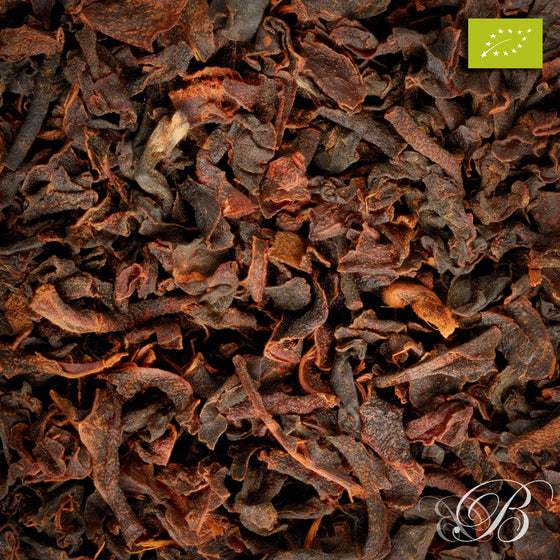
Notting Hill
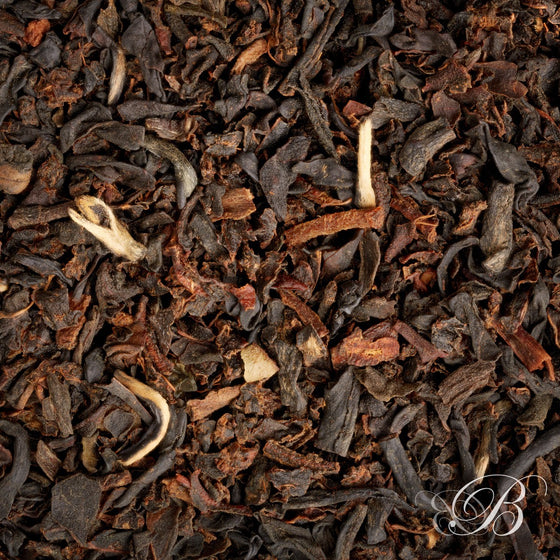
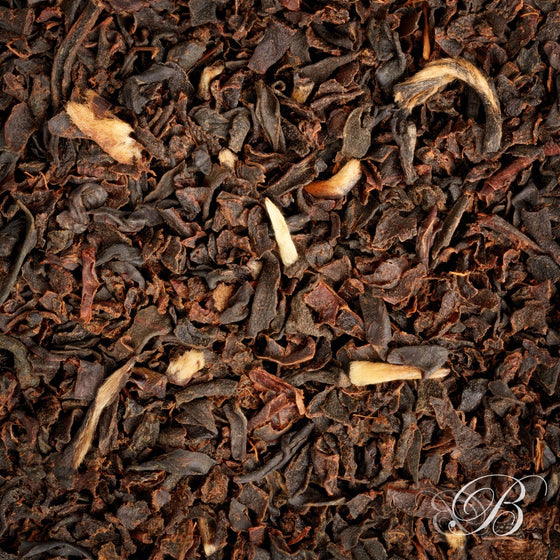
Blended tea: Assam and Rwanda, full-bodied

Notting Hill
100% secure payment
3 free samples with each order
Fast and free delivery for purchases over €65
- Blend of black teas of Assam and Rwanda -
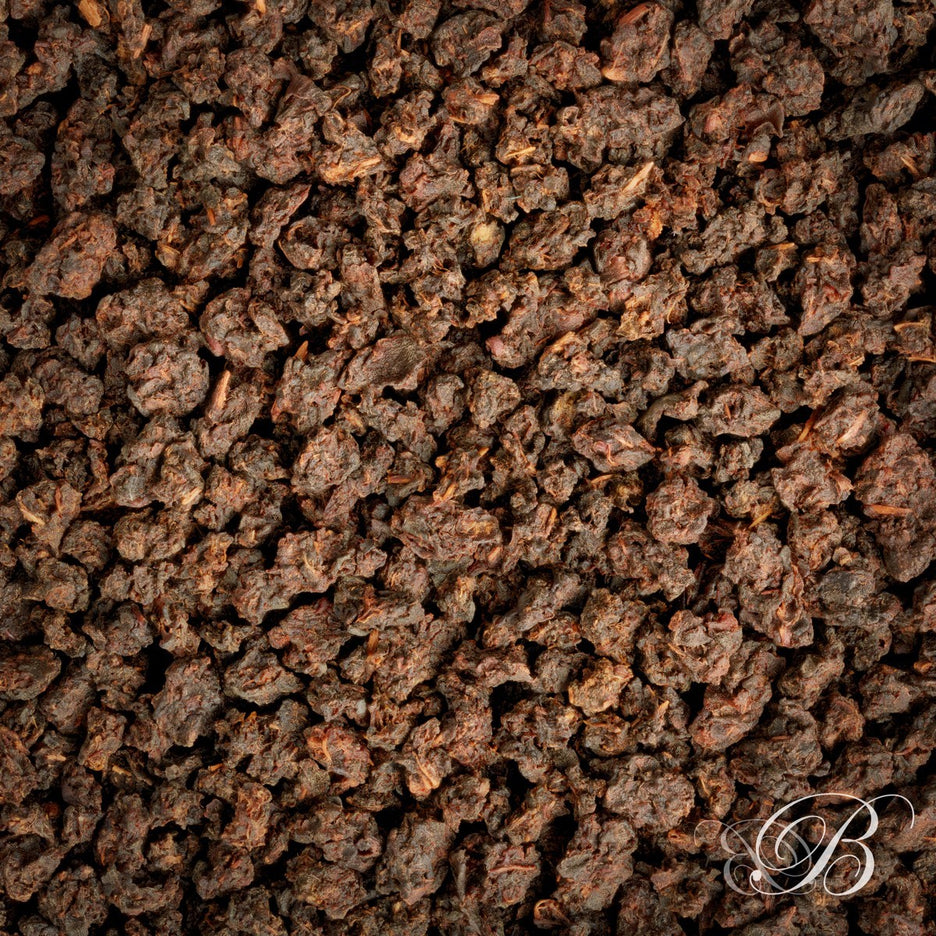
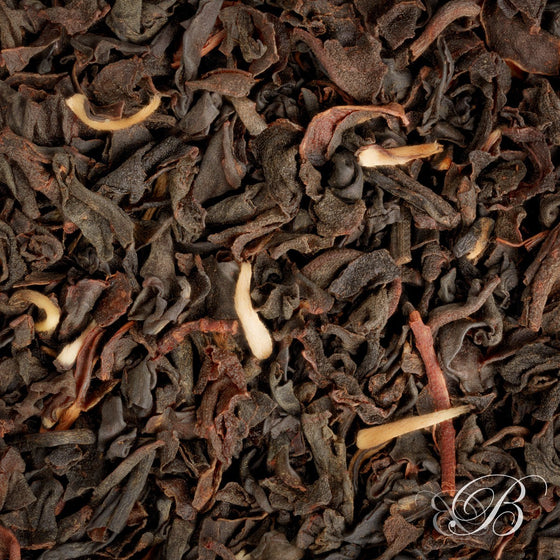
This blend of India and Rwanda black teas offers a hyper-coloured cup that will make you jump out of your bed!
Notting Hill.
A name that evokes London's pastel facades, the markets of Portobello Road, and improbable love at first sight. But behind this facade lies another face: that of a vibrant neighborhood, filled each summer with the drums, laughter, and aromas of Europe's largest carnival. Since 1966, the Notting Hill Carnival has been setting the British capital dancing to Caribbean rhythms, transforming quiet streets into a torrent of joy and freedom.
It was in this bohemian and eclectic setting that Agnès, who had been at the helm of the Maison since the early 2000s, while traveling in London, stepped into a discreet tea room, just a stone's throw from the bustle of the festivities. The place smelled of polished wood and warm scones. In the background, the sounds of the carnival mingled with the clinking of spoons on porcelain. That day, a cup of tea captivated her palate: a black tea of rare intensity, where the raw strength of an Assam blended with the delicacy of a still relatively unknown origin.
Back in Paris, Agnès had only one obsession: to recapture that feeling. She set out in search of that alliance between power and elegance. And that's how she discovered the highlands of Rwanda, the land of a thousand hills, where tea grows on volcanic soil bathed in humidity and light.
The story of Rwandan tea begins in the mid-20th century, almost by chance. In the aftermath of World War II, a few tea plants from Asia were introduced to the country's fertile slopes, initially as a simple agricultural experiment. But nature embraced them with gusto. Regular rainfall, mineral-rich volcanic soils, and the mild climate of the high altitudes provided an ideal environment for this new crop. Very quickly, the tea bushes colonized the hills, creating landscapes of endless green. In the villages, hands began to carefully pick the young shoots, and tea became not only a resource but also a symbol of hope and rebirth. It was one of the most remarkable agricultural chapters on the African continent: the story of a country that found in these leaves a path to the future.
In the Rulindo region, the Rukeri gardens now produce teas of exceptional finesse, carefully rolled, offering a luminous, floral, and woody cup. Rwanda, a land of emergence and renewal, naturally became a key part of this project. There, Agnès rediscovered the promise of the London blend: the meeting of tradition and modernity, of Indian wisdom and African audacity. From this union was born Notting Hill, a vibrant blend, a symbol of cultural fusion and freedom.
Since then, this tea has become a classic of the Betjeman & Barton house. Its aromas tell a story: that of a journey between two continents, of a love at first taste born in a London cup, and of a dream come true. Notting Hill is not just an exceptional black tea: it is an invitation to encounter, to awaken, to celebrate.
Food and tea pairings
Savor Notting Hill with a Smoked Salmon Royal Omelette, the famous dish served in London's brunch halls. This aristocratic English classic marries the buttery sweetness of eggs with the briny richness of salmon. The malty notes of Assam elegantly complement the smoky flavors, while the robust blend envelops the delicate fish. Rwandan rum adds a fresh, woody touch in the background, like a breeze from the hills, balancing richness and vibrancy in a distinctly British harmony.
Recipe based on Notting Hill black tea
Prepare a "Notting Hill" glaze for a lemon and yuzu cake. Brew a generous cup of Notting Hill tea in finely crushed muscovado sugar, then pour this amber syrup over the still-warm cake. The malty strength of the blend blends subtly with the lemon's acidity, while the Rwandan woody notes add unexpected depth. The tea's bitterness creates a perfect balance with the cake's sweetness, revealing a new complexity with every bite.
10428
- Blend of black teas of Assam and Rwanda -
This blend of India and Rwanda black teas offers a hyper-coloured cup that will make you jump out of your bed!
Notting Hill.
A name that evokes London's pastel facades, the markets of Portobello Road, and improbable love at first sight. But behind this facade lies another face: that of a vibrant neighborhood, filled each summer with the drums, laughter, and aromas of Europe's largest carnival. Since 1966, the Notting Hill Carnival has been setting the British capital dancing to Caribbean rhythms, transforming quiet streets into a torrent of joy and freedom.
It was in this bohemian and eclectic setting that Agnès, who had been at the helm of the Maison since the early 2000s, while traveling in London, stepped into a discreet tea room, just a stone's throw from the bustle of the festivities. The place smelled of polished wood and warm scones. In the background, the sounds of the carnival mingled with the clinking of spoons on porcelain. That day, a cup of tea captivated her palate: a black tea of rare intensity, where the raw strength of an Assam blended with the delicacy of a still relatively unknown origin.
Back in Paris, Agnès had only one obsession: to recapture that feeling. She set out in search of that alliance between power and elegance. And that's how she discovered the highlands of Rwanda, the land of a thousand hills, where tea grows on volcanic soil bathed in humidity and light.
The story of Rwandan tea begins in the mid-20th century, almost by chance. In the aftermath of World War II, a few tea plants from Asia were introduced to the country's fertile slopes, initially as a simple agricultural experiment. But nature embraced them with gusto. Regular rainfall, mineral-rich volcanic soils, and the mild climate of the high altitudes provided an ideal environment for this new crop. Very quickly, the tea bushes colonized the hills, creating landscapes of endless green. In the villages, hands began to carefully pick the young shoots, and tea became not only a resource but also a symbol of hope and rebirth. It was one of the most remarkable agricultural chapters on the African continent: the story of a country that found in these leaves a path to the future.
In the Rulindo region, the Rukeri gardens now produce teas of exceptional finesse, carefully rolled, offering a luminous, floral, and woody cup. Rwanda, a land of emergence and renewal, naturally became a key part of this project. There, Agnès rediscovered the promise of the London blend: the meeting of tradition and modernity, of Indian wisdom and African audacity. From this union was born Notting Hill, a vibrant blend, a symbol of cultural fusion and freedom.
Since then, this tea has become a classic of the Betjeman & Barton house. Its aromas tell a story: that of a journey between two continents, of a love at first taste born in a London cup, and of a dream come true. Notting Hill is not just an exceptional black tea: it is an invitation to encounter, to awaken, to celebrate.
10428
The Betjeman & Barton soul supplement
The bold strength of two continents, for a mug that celebrates both tradition and festivity. A true love at first sight for a vibrant mug.
You may also like

Early Morning Broken B.O.P Organic
Full-bodied and stimulating organic blended tea
Add to cart
Last viewed products
Mon préféré pour le petit déjeuner
Cher client,
Nous vous remercions pour votre avis et sommes ravis de vous accompagner lors de vos petits-déjeuners.