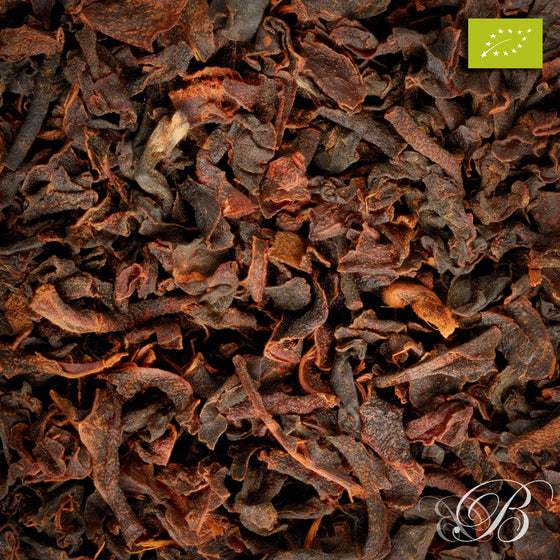
China Blend

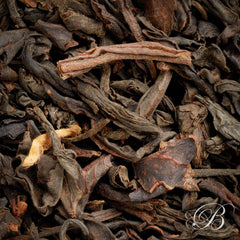
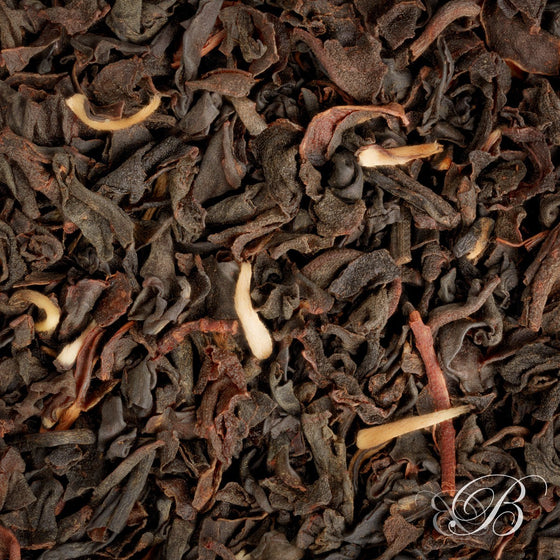
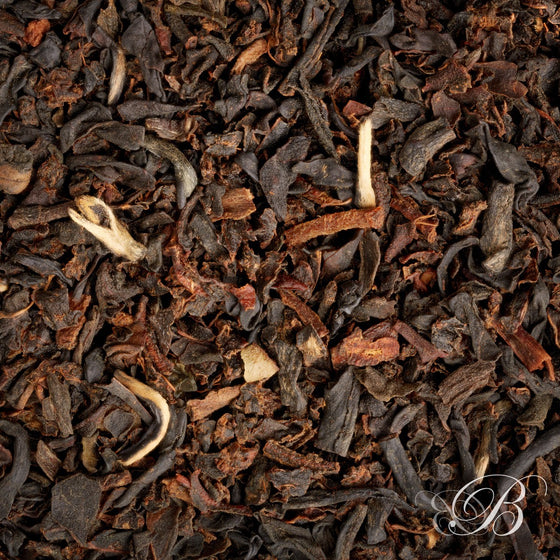
Blended tea: Keemun and Lapsang Souchong, lightly smoked

Regular price 7,65 €
Sale price 7,65 € Regular price 7,65 €
Unit price  per 
Tax included. Shipping calculated at checkout.
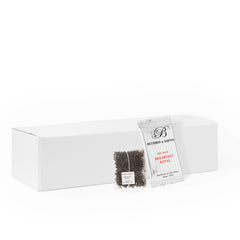
bulk packaging
Thé noir China Blend - Thés

China Blend

100% secure payment

3 free samples with each order

Fast and free delivery for purchases over €65

Tasting moment:
Tasting moment: Matin
Infusion time:
Infusion time: 3-5 min
Water temperature:
Water temperature: 90°C

- Blend of Keemun and Lapsang Souchong black teas -


This blend of China black teas gives a cup with a smoky taste. It can be enjoyed in the late afternoon.

The history of China Blend is part of the legend of the great tea routes, those that connected East to West, from the misty mountains of Fujian to the plush salons of Europe.

It all began around 1590 in China, in the hills of Fujian. An imperial army requisitioned a tea factory, forcing the farmers to hastily dry their leaves over a pine wood fire. From this constraint was born an invention: a black tea with a smoky, resinous aroma. Lapsang Souchong was born, a product of chance and necessity. Woody, intense, almost sensual, it quickly captivated European merchants, fascinated by this mysterious beverage, a symbol of an Orient that was both wild and refined.

Two centuries later, more than 600 kilometers to the north, a young scholar named Yu Ganchen was inspired by this success. In the Qimen Mountains, in the heart of Anhui province, he dreamed of creating a black tea capable of rivaling the treasures of Fujian. In 1875, he developed Keemun, the first black tea from his region. This tea of ​​unprecedented finesse, with notes of orchid, honey, and cocoa, captivated even the British royal courts and became the basis of some English breakfasts. Thanks to Yu Ganchen, China entered a new era of tea, where the art of terroir combined with a spirit of innovation.

Between Fujian and Anhui stretches the Tea Road, a legendary trade route that crosses Mongolia and Siberia to Saint Petersburg. Caravans travel slowly along it, for weeks on end, across the frozen steppes. The crates of tea absorb the smoke from campfires, blending the aromas of Lapsang and Keemun in an unintentional yet extraordinary union. Thus was born the legend of Russian Caravan tea, a tea of ​​travel, adventure, and mist, a symbol of prestige in the aristocratic salons of Moscow and Saint Petersburg.

When Victorian Britain took over the world tea trade, this caravan tradition inspired London blenders: combining the strength of Lapsang with the delicacy of Keemun became an art, that of the perfect blend.

And it was this heritage that Arthur Betjeman brought to Paris in 1919. Passionate about these legendary routes and distinctive teas, he opened a shop of a new kind on Rue de Surène. In 1927, he partnered with Percy Barton, giving birth to Betjeman & Barton, the first Parisian tea shop where French refinement and British curiosity blended.

The China Blend you hold in your cup today is the direct heir to this epic tale. A blend of Keemun and lightly smoked Lapsang Souchong, it recounts four centuries of journeys, inventions, and encounters. It carries within it the memory of fire, the wisdom of Yu Ganchen, the spirit of caravans, and the elegance of Parisian salons. With each infusion, it's almost the history of the world that comes to life in your cup.

Food and tea pairings
To savor China Blend in a new way, imagine a cheese board featuring cheeses from England and Ireland, where each pairing reveals a nuance of the tea. The noble and creamy Stilton is enveloped by the subtle smokiness of Lapsang. The mature Cheddar, full-bodied and profound, underscores the cocoa notes of Keemun. The smooth and melting Double Gloucester embraces its floral tenderness. The velvety Irish blue Cashel Blue converses with the subtle flavors. And the lively, slightly tangy Cheshire awakens the spices of the blend. Together, they create a refined Anglo-Chinese accord, full of character and indulgent poetry.

Recipe based on China Blend black tea
Prepare a marinade inspired by the tea routes: a rich infusion of China Blend tea, a few drops of soy sauce, a drizzle of golden honey, a crushed garlic clove, and a grind of black pepper. The mixture already fills the kitchen with sweet, woody notes… Let the duck breast rest in the marinade, its skin scored in a crisscross pattern, allowing the tea to infuse the flesh. Then, gently sear it skin-side down until crisp and amber-colored, before transferring it to the oven for a melt-in-your-mouth finish. Serve in thin slices, drizzled with a syrupy marinade reduction, alongside some caramelized roasted vegetables. The Keemun tea lends its floral and chocolatey accents, the Lapsang its smoky caress: together, they create a dish of rare elegance, balancing sweetness and intensity, like a gourmet tribute to the tea caravans.

10435

- Blend of Keemun and Lapsang Souchong black teas -


This blend of China black teas gives a cup with a smoky taste. It can be enjoyed in the late afternoon.

The history of China Blend is part of the legend of the great tea routes, those that connected East to West, from the misty mountains of Fujian to the plush salons of Europe.

It all began around 1590 in China, in the hills of Fujian. An imperial army requisitioned a tea factory, forcing the farmers to hastily dry their leaves over a pine wood fire. From this constraint was born an invention: a black tea with a smoky, resinous aroma. Lapsang Souchong was born, a product of chance and necessity. Woody, intense, almost sensual, it quickly captivated European merchants, fascinated by this mysterious beverage, a symbol of an Orient that was both wild and refined.

Two centuries later, more than 600 kilometers to the north, a young scholar named Yu Ganchen was inspired by this success. In the Qimen Mountains, in the heart of Anhui province, he dreamed of creating a black tea capable of rivaling the treasures of Fujian. In 1875, he developed Keemun, the first black tea from his region. This tea of ​​unprecedented finesse, with notes of orchid, honey, and cocoa, captivated even the British royal courts and became the basis of some English breakfasts. Thanks to Yu Ganchen, China entered a new era of tea, where the art of terroir combined with a spirit of innovation.

Between Fujian and Anhui stretches the Tea Road, a legendary trade route that crosses Mongolia and Siberia to Saint Petersburg. Caravans travel slowly along it, for weeks on end, across the frozen steppes. The crates of tea absorb the smoke from campfires, blending the aromas of Lapsang and Keemun in an unintentional yet extraordinary union. Thus was born the legend of Russian Caravan tea, a tea of ​​travel, adventure, and mist, a symbol of prestige in the aristocratic salons of Moscow and Saint Petersburg.

When Victorian Britain took over the world tea trade, this caravan tradition inspired London blenders: combining the strength of Lapsang with the delicacy of Keemun became an art, that of the perfect blend.

And it was this heritage that Arthur Betjeman brought to Paris in 1919. Passionate about these legendary routes and distinctive teas, he opened a shop of a new kind on Rue de Surène. In 1927, he partnered with Percy Barton, giving birth to Betjeman & Barton, the first Parisian tea shop where French refinement and British curiosity blended.

The China Blend you hold in your cup today is the direct heir to this epic tale. A blend of Keemun and lightly smoked Lapsang Souchong, it recounts four centuries of journeys, inventions, and encounters. It carries within it the memory of fire, the wisdom of Yu Ganchen, the spirit of caravans, and the elegance of Parisian salons. With each infusion, it's almost the history of the world that comes to life in your cup.

10435

The Betjeman & Barton soul supplement

Let yourself be captivated by the subtlety of the China Blend, between floral sweetness and discreet smoke, for a finish
a day imbued with elegance and character.