Japan tea Matcha

Umami Japanese Tea

Regular price 47,30 €
Sale price 47,30 € Regular price 47,30 €
Unit price  per 
Tax included. Shipping calculated at checkout.
bulk packaging
Thé vert japonais Matcha - Thés

Japan tea Matcha

100% secure payment

3 free samples with each order

Fast and free delivery for purchases over €65

Tasting moment:
Tasting moment: Tout au long de la journée
Infusion time:
Infusion time: 2-3 min
Water temperature:
Water temperature: 80°C

- Traditional green tea -


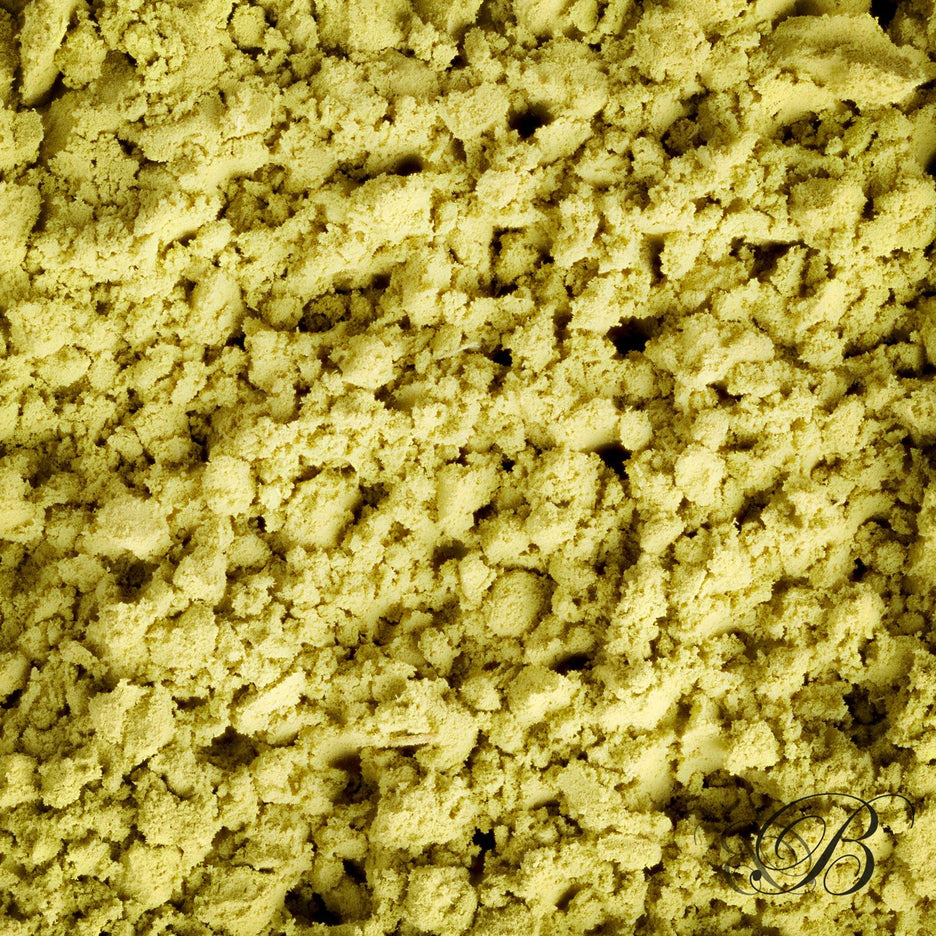
This green tea is traditionally used in the Japanese Tea Ceremony. The dried leaves are reduced to jade-green powder. This powder is then added to hot water and whisked with a bamboo whisk.

Japon, région de Kagoshima

Kagoshima matcha is not like other teas: it's a gateway to a fascinating world where shade, chlorophyll, and the human touch combine to create an almost supernatural green. Each grain tells an epic story: that of an agricultural miracle that took centuries to perfect.

The adventure begins in medieval China. During the Song Dynasty, Buddhist monks explored a revolutionary idea: grinding tea leaves into a fine powder to accompany their extended nighttime meditations. This powder, which dissolves instantly without disturbing the mind, was a true discovery. This practice crossed the seas and arrived in 12th-century Japan via the monk Eisai, who brought back much more than a technique: a philosophy. Tea became a spiritual path, a codified ritual, a quest for the absolute through the right gesture. Zen monks then made another crucial discovery: by placing the tea bushes in the shade before harvesting, their essence was transformed: the umami intensified, and an unprecedented smoothness emerged. In 1835, a final turning point: the modern stone mill was perfected, revolutionizing the texture and fineness of the powder.

In Kagoshima, southern Japan, the journey continues. This volcanic region bathed in marine light is the sanctuary of matcha. Three prestigious cultivars reign supreme: Yabukita, a robust staple of the country prized for its generous umami; Asatsuyu, sought after for its almost translucent sweetness; and Kanayamidori, a rare and precious cultivar that gives matcha a remarkable creaminess and delicate marine nuances. It is from these leaves that tencha is born: a fascinating raw material. Unlike other Japanese teas, its leaves remain flat, never rolled. This lack of rolling is crucial: it preserves the aromatic purity and allows for a perfectly uniform grind.

Three to four weeks before harvest, a magical transformation begins. The tea plants are covered with vast tarpaulins that filter the light. Deprived of sunlight, they undergo a biochemical emergency; they burst with chlorophyll to survive, creating a deep, luminous, almost fluorescent green. Simultaneously, theanine, that precious molecule of sweetness and umami, skyrockets while tannins recede. It is in this twilight that the magic of matcha germinates.

Then comes the slowest and most delicate operation in the world of tea: grinding on solid granite millstones that rotate at a constant speed to avoid heating the leaves. Barely 20 to 50 grams per hour... a slowness that borders on alchemy. The result: a powder finer than flour, with a velvety texture that dissolves instantly in hot water.

Long reserved for monks and tea masters, matcha has conquered the West with remarkable enthusiasm. Beyond tradition, it is the science that fascinates: matcha concentrates exceptional antioxidants (catechins, polyphenols, EGCG) three to ten times more than classic green teas, because the whole leaf is consumed.

Food and tea pairings
To honor Chanoyu, matcha is always accompanied by a wagashi, a Japanese sweet treat that prepares the palate. Mochi, a tender morsel of glutinous rice with a soft center, or dorayaki, a pancake filled with a delicate bean paste, are classic choices. First, savor the wagashi: its sweetness gently coats the mouth. Then, the matcha. Its vegetal intensity, noble bitterness, and profound umami then interact with the residual sugar; the tea seems rounder, the pastry lighter. It is this meditative alternation, this balance between sweetness and strength, that constitutes the heart of this tea ceremony: a harmony where sugar and tea, matter and spirit, become one.

Matcha green tea recipe
Matcha Financiers (makes 10-12 financiers)

  • Ingredients
    70g of almond flour
    120g of icing sugar
    40 g of flour
    1.5 to 2 g of sifted Kagoshima matcha (2 g if you want an intense green color and a more pronounced umami flavor).
    3 egg whites (approximately 90 g)
    80g of unsalted butter, melted and slightly browned
    (Optional) a pinch of fine salt to recall the minerality of the Kagoshima terroir

Preparation steps
In a small saucepan, melt the butter over medium heat. Continue cooking until it is lightly browned and smells nutty. Remove from the heat and let cool slightly.

In a large bowl: sift the icing sugar, add the almond flour, sift the flour, and add the sifted matcha. Then gently fold in the unwhipped egg whites with a spatula, without whisking, to maintain a soft texture.

Let it rest for 30 minutes in the refrigerator. This time allows the matcha to diffuse and the aromas to harmonize.

Preheat the oven to 180°C. Lightly butter financier molds (or small rectangular molds). Fill three-quarters full.

Bake for 10 to 12 minutes. The financiers should be lightly golden around the edges and remain green in the center.

10404

- Traditional green tea -


This green tea is traditionally used in the Japanese Tea Ceremony. The dried leaves are reduced to jade-green powder. This powder is then added to hot water and whisked with a bamboo whisk.

Japon, région de Kagoshima

Kagoshima matcha is not like other teas: it's a gateway to a fascinating world where shade, chlorophyll, and the human touch combine to create an almost supernatural green. Each grain tells an epic story: that of an agricultural miracle that took centuries to perfect.

The adventure begins in medieval China. During the Song Dynasty, Buddhist monks explored a revolutionary idea: grinding tea leaves into a fine powder to accompany their extended nighttime meditations. This powder, which dissolves instantly without disturbing the mind, was a true discovery. This practice crossed the seas and arrived in 12th-century Japan via the monk Eisai, who brought back much more than a technique: a philosophy. Tea became a spiritual path, a codified ritual, a quest for the absolute through the right gesture. Zen monks then made another crucial discovery: by placing the tea bushes in the shade before harvesting, their essence was transformed: the umami intensified, and an unprecedented smoothness emerged. In 1835, a final turning point: the modern stone mill was perfected, revolutionizing the texture and fineness of the powder.

In Kagoshima, southern Japan, the journey continues. This volcanic region bathed in marine light is the sanctuary of matcha. Three prestigious cultivars reign supreme: Yabukita, a robust staple of the country prized for its generous umami; Asatsuyu, sought after for its almost translucent sweetness; and Kanayamidori, a rare and precious cultivar that gives matcha a remarkable creaminess and delicate marine nuances. It is from these leaves that tencha is born: a fascinating raw material. Unlike other Japanese teas, its leaves remain flat, never rolled. This lack of rolling is crucial: it preserves the aromatic purity and allows for a perfectly uniform grind.

Three to four weeks before harvest, a magical transformation begins. The tea plants are covered with vast tarpaulins that filter the light. Deprived of sunlight, they undergo a biochemical emergency; they burst with chlorophyll to survive, creating a deep, luminous, almost fluorescent green. Simultaneously, theanine, that precious molecule of sweetness and umami, skyrockets while tannins recede. It is in this twilight that the magic of matcha germinates.

Then comes the slowest and most delicate operation in the world of tea: grinding on solid granite millstones that rotate at a constant speed to avoid heating the leaves. Barely 20 to 50 grams per hour... a slowness that borders on alchemy. The result: a powder finer than flour, with a velvety texture that dissolves instantly in hot water.

Long reserved for monks and tea masters, matcha has conquered the West with remarkable enthusiasm. Beyond tradition, it is the science that fascinates: matcha concentrates exceptional antioxidants (catechins, polyphenols, EGCG) three to ten times more than classic green teas, because the whole leaf is consumed.

10404

The Betjeman & Barton soul supplement

A vibrant jewel of Japan, Kagoshima matcha celebrates the alliance of deep shadow, umami sweetness and ancestral know-how.