Darjeeling Sington G.F.O.P Black Tea
Very fresh Darjeeling tea
100% secure payment
3 free samples with each order
Fast and free delivery for purchases over €65
Colour: Black tea
Origin: Northeast India
Region: Singtom Garden, one of the oldest of Darjeeling’s 87 gardens, is located in Singamari, Darjeeling, in the state of West Bengal.
Grade: G.F.O.P. (Golden Flowery Orange Pekoe)
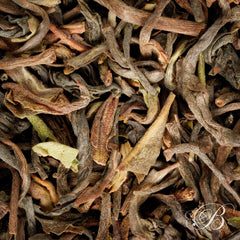
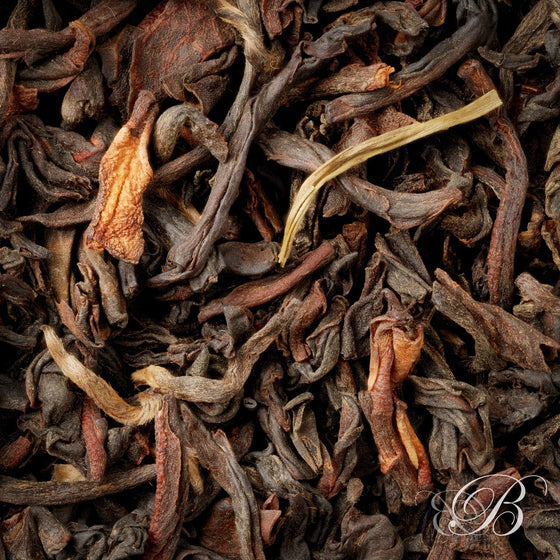
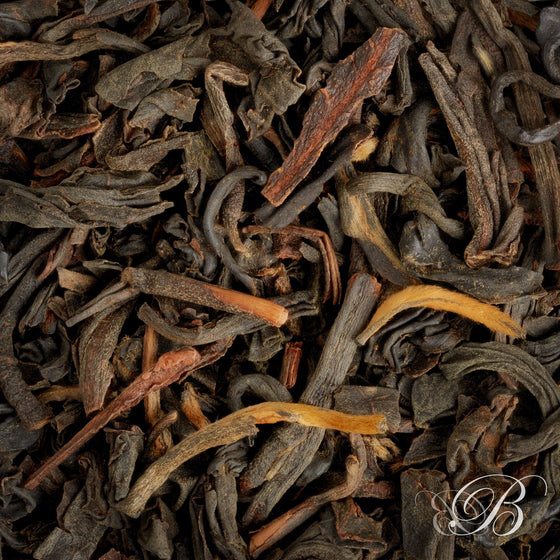
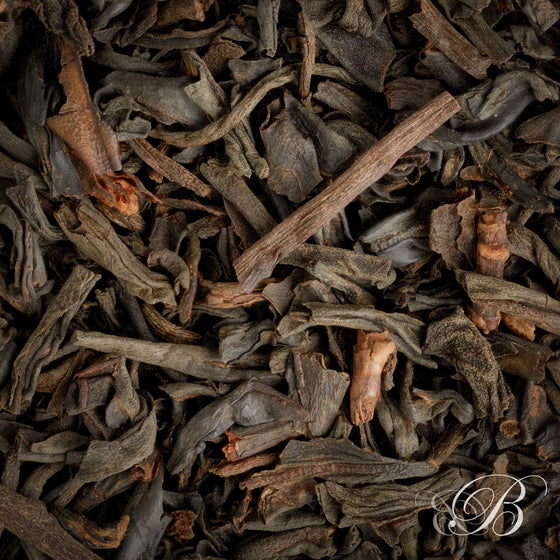
Appearance of the dried leaves: Singtom’s finely twisted leaves, rich in silver tips, reveal a nuanced palette of greens, browns, and golden bronze.
Infusion: The liquor has a very pale amber hue, with golden straw undertones, almost crystalline. Its texture is fluid and light, without opacity or excessive body, revealing a highly clear infusion.
Tasting notes: The aroma opens with a delicate freshness, dominated by fine floral notes reminiscent of jasmine and a subtle hint of muscat. On the palate, the liquor is light and offers a silky texture. It reveals a balanced combination of fruity sweetness and a discreet, almost velvety hint of hazelnut. The tasting lingers on a refreshing finish, carried by a mineral impression.
Best time to enjoy: Singtom has a moderate to strong caffeine content, making it an excellent choice for breakfast or afternoon tea, offering both sweetness and liveliness.
Nestled on a mountainside between 1,300 and 1,800 metres above sea level, the Singtom garden stretches across 600 hectares between sky and mist, facing the eternal snows of Kangchenjunga.
This legendary estate is a world apart, where the spirit of the tea pioneers still lingers. Founded in 1854 by a German missionary, Singtom is one of the very first gardens in Darjeeling, twin brother to neighbouring Steinthal. It was here that the history of Indian tea was written by hand, along the slopes, to the rhythm of the Nepalese pluckers.
The Singtom garden is renowned for its extraordinary microclimates: in May, torrential downpours can bring double rainbows to life above the rows, transforming dew-covered leaves into sparkling gems. In the heart of the monsoon, the mist sometimes rises in spectral columns that envelop the pluckers, creating an almost mystical atmosphere during the first flush.
Each spring, giant rhododendrons line the paths, offering a flamboyant contrast between purple and tender green, and attracting a swarm of hummingbirds that sip nectar from the flowers before landing stealthily on the buds. It is said that at harvest time, the wind from Kangchenjunga blows with such vigour that it shapes the foliage into delicate folds, imprinting on the tea a unique flavour profile that blends alpine freshness with a floral trail.
Singtom also benefits from mica-rich volcanic soil, which captures and radiates the heat of the setting sun, infusing the leaves with a subtle mineral note and an almost milky sweetness. These natural phenomena—wild rains, endemic wildlife, and unique geology—make Singtom tea as spectacular as it is unforgettable.
Why do we love this mythical garden so much? Because its teas are not simply delicious; they are imbued with character. With their history, their altitude, their aromatic finesse, and that certain je ne sais quoi of adventure and grace.
Food and tea pairings
Our Sington pairs beautifully with soft, delicate treats. Enjoy it with chocolate gingerbread or a yogurt cake topped with fig jam. Its natural lightness makes it an ideal companion for lightly sweetened treats, enhancing the flavors without overpowering them. A refined pairing, perfect for an elegant afternoon snack or a gentle finish to a meal.
Recipe based on Darjeeling Singtom black tea
It is also ideal for making a light syrup: steep the tea for a long time, then reduce it with a small amount of cane sugar to concentrate its aromas. The syrup reveals fresh notes enhanced by a hint of hazelnut. It is the perfect accompaniment to a tarte di nocciola, a Piedmont specialty with a rich, melt-in-the-mouth texture. Drizzled warm or cold over the still-warm cake, it enhances the flavors while adding an unexpected botanical touch: a mountain marriage between the Italian Alps and the foothills of the Himalayas.
10148
Colour: Black tea
Origin: Northeast India
Region: Singtom Garden, one of the oldest of Darjeeling’s 87 gardens, is located in Singamari, Darjeeling, in the state of West Bengal.
Grade: G.F.O.P. (Golden Flowery Orange Pekoe)
Appearance of the dried leaves: Singtom’s finely twisted leaves, rich in silver tips, reveal a nuanced palette of greens, browns, and golden bronze.
Infusion: The liquor has a very pale amber hue, with golden straw undertones, almost crystalline. Its texture is fluid and light, without opacity or excessive body, revealing a highly clear infusion.
Tasting notes: The aroma opens with a delicate freshness, dominated by fine floral notes reminiscent of jasmine and a subtle hint of muscat. On the palate, the liquor is light and offers a silky texture. It reveals a balanced combination of fruity sweetness and a discreet, almost velvety hint of hazelnut. The tasting lingers on a refreshing finish, carried by a mineral impression.
Best time to enjoy: Singtom has a moderate to strong caffeine content, making it an excellent choice for breakfast or afternoon tea, offering both sweetness and liveliness.
Nestled on a mountainside between 1,300 and 1,800 metres above sea level, the Singtom garden stretches across 600 hectares between sky and mist, facing the eternal snows of Kangchenjunga.
This legendary estate is a world apart, where the spirit of the tea pioneers still lingers. Founded in 1854 by a German missionary, Singtom is one of the very first gardens in Darjeeling, twin brother to neighbouring Steinthal. It was here that the history of Indian tea was written by hand, along the slopes, to the rhythm of the Nepalese pluckers.
The Singtom garden is renowned for its extraordinary microclimates: in May, torrential downpours can bring double rainbows to life above the rows, transforming dew-covered leaves into sparkling gems. In the heart of the monsoon, the mist sometimes rises in spectral columns that envelop the pluckers, creating an almost mystical atmosphere during the first flush.
Each spring, giant rhododendrons line the paths, offering a flamboyant contrast between purple and tender green, and attracting a swarm of hummingbirds that sip nectar from the flowers before landing stealthily on the buds. It is said that at harvest time, the wind from Kangchenjunga blows with such vigour that it shapes the foliage into delicate folds, imprinting on the tea a unique flavour profile that blends alpine freshness with a floral trail.
Singtom also benefits from mica-rich volcanic soil, which captures and radiates the heat of the setting sun, infusing the leaves with a subtle mineral note and an almost milky sweetness. These natural phenomena—wild rains, endemic wildlife, and unique geology—make Singtom tea as spectacular as it is unforgettable.
Why do we love this mythical garden so much? Because its teas are not simply delicious; they are imbued with character. With their history, their altitude, their aromatic finesse, and that certain je ne sais quoi of adventure and grace.
10148
The Betjeman & Barton soul supplement
The Sington is a little Darjeeling gem to discover, with floral and hazelnut notes, of great delicacy.
You may also like

Darjeeling Jungpana F.T.G.F.O.P
Darjeeling tea with a delicate taste
Add to cart
Last viewed products
B et B reste le seul à pouvoir me fournir mon thé favori le darjeeling Sington.
Chère cliente,
Nous vous remercions pour votre avis et sommes heureux de lire que notre Darjeeling Sington est votre thé préféré.