Green tea Lung Ching

Chinese tea with fresh, vegetal notes

Regular price 16,40 €
Sale price 16,40 € Regular price 16,40 €
Unit price  per 
Tax included. Shipping calculated at checkout.
bulk packaging
Thé vert chinois Lung Ching - Thés

Green tea Lung Ching

100% secure payment

3 free samples with each order

Fast and free delivery for purchases over €65

Tasting moment:
Tasting moment: Matin
Infusion time:
Infusion time: 2-3 min
Water temperature:
Water temperature: 80°C

- Green tea high in vitamins -


The name of this tea means “Imperial Dragon's Well”. It offers a very perfumed cup, both invigorating and rich in vitamins. Ideal in the morning, to be enjoyed plain, with no milk.

In the heart of Zhejiang, on the verdant shores of West Lake in Hangzhou, lies the legendary birthplace of Lung Ching, literally "Dragon Well." This thousand-year-old green tea, a symbol of harmony and purity, embodies the refined soul of Southern China.

Its name comes from an ancient legend: a protective dragon is said to have taken up residence in a well in the village, answering the prayers of the inhabitants during times of drought. Around this sacred well, the monks of the Hu Gong temple began cultivating tea for their rituals. The brew's fame spread so widely that pilgrims gave it the name of the place, Longjing (or Lung Ching).

Mentioned early on in Lu Yu's "Classic of Tea," Lung Ching gradually rose to the status of an art form, at a time when tea culture was becoming a reflection of spiritual and scholarly life. The poets and Buddhist monks of Hangzhou saw in its pale and clear infusion the image of serenity, contemplation, and the Tao (Central Axis).

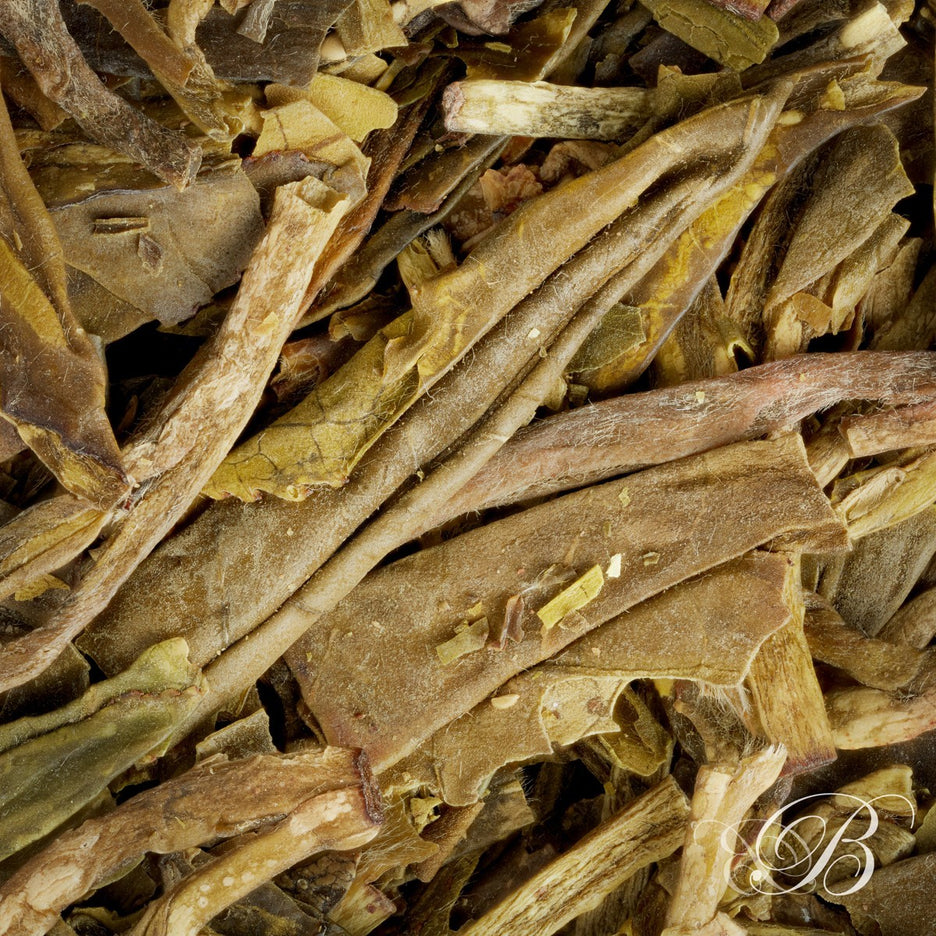
But Lung Ching is more than just an imperial relic: it remains a living pillar of Chinese culture. Families, some of whom have been producing it for three centuries, perpetuate the traditional method of hand-roasting in a wok, a precise technique that gives the leaves their flat shape and characteristic flavor. Today, authentic Lung Ching is protected by a geographical indication and remains one of the "Ten Famous Teas of China."
Its modern use extends this tradition of calm and mental clarity. In homes, restaurants, offices, and campuses in Hangzhou, it accompanies every moment of the day. It is renowned for its vegetal sweetness, its thirst-quenching effect, and above all, its calming properties on the mind, which is why it is now nicknamed "student tea." This nickname stems from the fact that Lung Ching is often consumed in Zhejiang universities: its low caffeine content and its ability to stimulate concentration without causing jitters make it the ideal companion for long hours of study and revision.

Thus, from an imperial beverage drunk in temples and palaces, Lung Ching has become a symbol of modern China: an everyday tea, simple yet noble, drunk as much for pleasure as for the serenity it inspires. Each cup still seems to contain a little of that ancient dragon's breath, the breath that soothes minds and unites generations around a timeless gesture: that of brewing calm.

Food and tea pairings
The Opéra, a truly exceptional dessert, is all about finesse and contrasts… with its delicate layers of almond biscuit, coffee-infused cream, and chocolate ganache… Alongside it, the Lung Ching reveals its full grace: its notes of roasted chestnut and spring flowers lighten the dessert's richness, while its gentle astringency balances the velvety chocolate. The pairing becomes a refined whisper between Eastern influences and French pastry, a union of lightness and intensity.

Recipe based on Lung Ching green tea
For a refreshing interlude, prepare a fruit infusion with Lung Ching tea: steep the leaves in simmering water at 75°C (167°F), then let it cool. Pour this clear, green (cooled) broth over a mixture of white peaches, pears, Muscat grapes, and lychees. The tea then reveals its warm, orchid-like notes, which enhance the juicy sweetness of the fruit. Serve very chilled, with a few lime zest shavings or a drizzle of acacia honey: an infusion transformed into a delicate and poetic dessert.

10316

- Green tea high in vitamins -


The name of this tea means “Imperial Dragon's Well”. It offers a very perfumed cup, both invigorating and rich in vitamins. Ideal in the morning, to be enjoyed plain, with no milk.

In the heart of Zhejiang, on the verdant shores of West Lake in Hangzhou, lies the legendary birthplace of Lung Ching, literally "Dragon Well." This thousand-year-old green tea, a symbol of harmony and purity, embodies the refined soul of Southern China.

Its name comes from an ancient legend: a protective dragon is said to have taken up residence in a well in the village, answering the prayers of the inhabitants during times of drought. Around this sacred well, the monks of the Hu Gong temple began cultivating tea for their rituals. The brew's fame spread so widely that pilgrims gave it the name of the place, Longjing (or Lung Ching).

Mentioned early on in Lu Yu's "Classic of Tea," Lung Ching gradually rose to the status of an art form, at a time when tea culture was becoming a reflection of spiritual and scholarly life. The poets and Buddhist monks of Hangzhou saw in its pale and clear infusion the image of serenity, contemplation, and the Tao (Central Axis).

But Lung Ching is more than just an imperial relic: it remains a living pillar of Chinese culture. Families, some of whom have been producing it for three centuries, perpetuate the traditional method of hand-roasting in a wok, a precise technique that gives the leaves their flat shape and characteristic flavor. Today, authentic Lung Ching is protected by a geographical indication and remains one of the "Ten Famous Teas of China."
Its modern use extends this tradition of calm and mental clarity. In homes, restaurants, offices, and campuses in Hangzhou, it accompanies every moment of the day. It is renowned for its vegetal sweetness, its thirst-quenching effect, and above all, its calming properties on the mind, which is why it is now nicknamed "student tea." This nickname stems from the fact that Lung Ching is often consumed in Zhejiang universities: its low caffeine content and its ability to stimulate concentration without causing jitters make it the ideal companion for long hours of study and revision.

Thus, from an imperial beverage drunk in temples and palaces, Lung Ching has become a symbol of modern China: an everyday tea, simple yet noble, drunk as much for pleasure as for the serenity it inspires. Each cup still seems to contain a little of that ancient dragon's breath, the breath that soothes minds and unites generations around a timeless gesture: that of brewing calm.

10316

The Betjeman & Barton soul supplement

An imperial tea that infuses each cup with the poetry of Zhejiang and the age-old soul of tea in China.