Japan tea Gyokuro
Subtle and refined Japanese tea

Japan tea Gyokuro
100% secure payment
3 free samples with each order
Fast and free delivery for purchases over €65
- Green tea with subtle and refined flavour -
This green tea is the most refined and the most precious of Japan teas. Its name means “Dewdrop”. The tea connoisseur will prefer to brew this tea 1 minute in a small teapot.
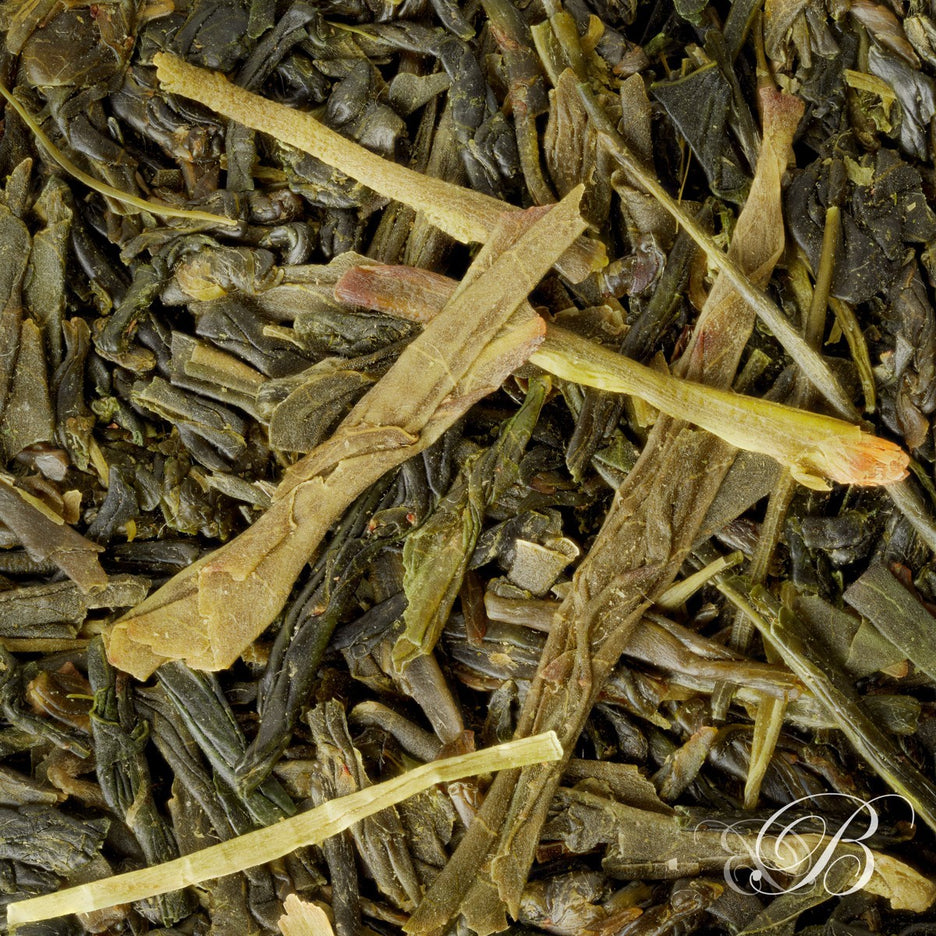
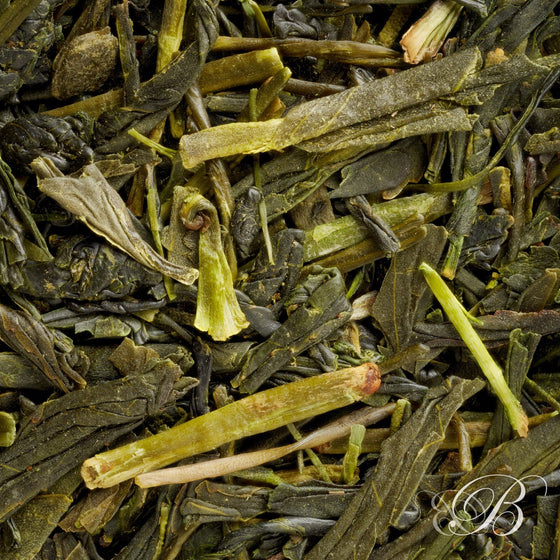
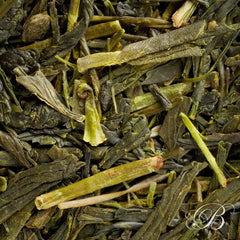
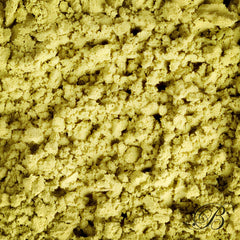
Needle-shaped leaves. Shiny deep leaves.
Gyokuro bears a name, "Jade Dew," which sounds like a revelation. It is not simply a tea, but a grand cru of the shadows, a secret of Uji that is never revealed in broad daylight. It appears like a golden glow in the twilight, a voluptuous dance where rarefied light sculpts perfection.
For three weeks before harvest, the tea bushes of Uji are covered with mats of rice straw or black cloths. In this near-total darkness, a miracle occurs: deprived of light, the tea bushes supercharge their chlorophyll to capture even the smallest photons, while their cells become saturated with amino acids, including theanine, the rare essence that gives the tea its silky umami flavor. Bitterness recedes. The shade becomes a workshop of artistry, where a tea as precious as a jewel is forged.
In Uji, the cradle of this tradition since the 15th century, every gesture is akin to the haute couture of botanical art. The pickers, with almost monastic patience, select only a handful of leaves: the young shoots, the first two or three emerald-like lobes, and the terminal bud, the "shinme," the true seal of Gyokuro's destiny. Steam instantly fixes their brilliance, then comes the rolling, a gesture of elegant precision that shapes the leaf into fine needles. Finally, a delicate drying process reveals this slightly rough texture, a promise of depth.
In Japan, Gyokuro transcends the very notion of tea. It is an offering, a gesture reserved for grand occasions, the equivalent of a vintage champagne or an emperor's sake. Serving it is akin to declaring: "I offer you the pinnacle of my land, the finest of my estate." In the white porcelain, the movements become so slow, so graceful, that they resemble a liturgy. The first pour, reserved for the highest-ranking guest, is a privilege. Subsequent pours reveal other facets of the same leaf, like chapters of the same poem.
Its abundant yet refined theine illuminates rather than agitates: an inner light, a calm, almost meditative energy. It is savored away from noise, in a posture of contemplation, like one would enjoy a very old cognac or a great, vibrant white wine.
For European palates, often accustomed to reducing Japanese green teas to a somewhat austere greenness, Gyokuro reveals itself as a true sensory revelation. On the palate, it's a drop of velvet, a marine sweetness, a salty caress, a lingering umami that surprises and then captivates. This fifth taste, still relatively new in our culinary culture, arouses curiosity and fascination. It harmonizes perfectly with modern gastronomy, with its quest for pure emotions and essential flavors. Little by little, Gyokuro is conquering our tables, just as great Japanese wines and haute cuisine did before it: through its precision, its depth, its sheer brilliance.
Food and tea pairings
For a communion of absolute umami, pair fresh tagliatelle with Alba white truffle and Shirakawa Gyokuro tea. The pasta reveals its richness while the truffle shavings exhale their earthy, almost primal aroma. The Gyokuro, served at 45°C, soothes this intensity with its delicate sweetness and herbaceous greenness. The tea's deep umami converses with the truffle's voluptuous umami; the theanine calms, while the subtle marine notes of the Gyokuro contrast delicately with the earthy essence of the mushroom. A mellow finish, an elegant persistence: two treasures that mutually honor each other.
Recipe based on Gyokuro green tea
After enjoying the Gyokuro, the delicate leaves retain all their flavor. Arrange them on a white porcelain plate. Their tender texture is reminiscent of spinach or freshly steamed baby peas. Drizzle with a touch of toasted sesame oil, a splash of rice vinegar, and a few drops of soy sauce. Sprinkle generously with black sea salt and a pinch of white sesame seeds. These leaves are given a second life: lingering umami, a soothing herbaceous flavor, and a vegetal sweetness. A timeless Japanese gesture, where each leaf becomes a gustatory meditation.
10411
- Green tea with subtle and refined flavour -
This green tea is the most refined and the most precious of Japan teas. Its name means “Dewdrop”. The tea connoisseur will prefer to brew this tea 1 minute in a small teapot.
Needle-shaped leaves. Shiny deep leaves.
Gyokuro bears a name, "Jade Dew," which sounds like a revelation. It is not simply a tea, but a grand cru of the shadows, a secret of Uji that is never revealed in broad daylight. It appears like a golden glow in the twilight, a voluptuous dance where rarefied light sculpts perfection.
For three weeks before harvest, the tea bushes of Uji are covered with mats of rice straw or black cloths. In this near-total darkness, a miracle occurs: deprived of light, the tea bushes supercharge their chlorophyll to capture even the smallest photons, while their cells become saturated with amino acids, including theanine, the rare essence that gives the tea its silky umami flavor. Bitterness recedes. The shade becomes a workshop of artistry, where a tea as precious as a jewel is forged.
In Uji, the cradle of this tradition since the 15th century, every gesture is akin to the haute couture of botanical art. The pickers, with almost monastic patience, select only a handful of leaves: the young shoots, the first two or three emerald-like lobes, and the terminal bud, the "shinme," the true seal of Gyokuro's destiny. Steam instantly fixes their brilliance, then comes the rolling, a gesture of elegant precision that shapes the leaf into fine needles. Finally, a delicate drying process reveals this slightly rough texture, a promise of depth.
In Japan, Gyokuro transcends the very notion of tea. It is an offering, a gesture reserved for grand occasions, the equivalent of a vintage champagne or an emperor's sake. Serving it is akin to declaring: "I offer you the pinnacle of my land, the finest of my estate." In the white porcelain, the movements become so slow, so graceful, that they resemble a liturgy. The first pour, reserved for the highest-ranking guest, is a privilege. Subsequent pours reveal other facets of the same leaf, like chapters of the same poem.
Its abundant yet refined theine illuminates rather than agitates: an inner light, a calm, almost meditative energy. It is savored away from noise, in a posture of contemplation, like one would enjoy a very old cognac or a great, vibrant white wine.
For European palates, often accustomed to reducing Japanese green teas to a somewhat austere greenness, Gyokuro reveals itself as a true sensory revelation. On the palate, it's a drop of velvet, a marine sweetness, a salty caress, a lingering umami that surprises and then captivates. This fifth taste, still relatively new in our culinary culture, arouses curiosity and fascination. It harmonizes perfectly with modern gastronomy, with its quest for pure emotions and essential flavors. Little by little, Gyokuro is conquering our tables, just as great Japanese wines and haute cuisine did before it: through its precision, its depth, its sheer brilliance.
10411
The Betjeman & Barton soul supplement
Savor Gyokuro, the quintessence of Japanese green tea. A rare, refined, unforgettable experience.
Last viewed products
Une merveille, un délice ! Un goût délicat et un arôme subtil pour un moment de pur plaisir
Cher client,
Nous sommes heureux de lire que plusieurs de nos thés japonais sont pour vous une véritable parenthèse.