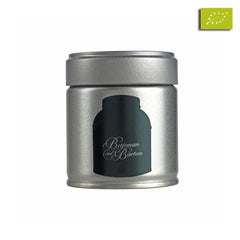
Japan tea Tamaryokucha

Sweet and aromatic green Japanese tea

Regular price 46,20 €
Sale price 46,20 € Regular price 46,20 €
Unit price  per 
Tax included. Shipping calculated at checkout.
bulk packaging
Thé vert japonais Tamaryokucha - Thés

Japan tea Tamaryokucha

100% secure payment

3 free samples with each order

Fast and free delivery for purchases over €65

Tasting moment:
Tasting moment: Tout au long de la journée
Infusion time:
Infusion time: 2-3 min
Water temperature:
Water temperature: 80°C

- Green tea both sweet and aromatic -


This green tea is a rare tea that is highly sought-after in Japan. Only 4000kg of this tea are produced in the whole of Japan in one season, mainly in the region of Shizuoka.

This tea offers a sweet and aromatic cup, quite full-bodied.

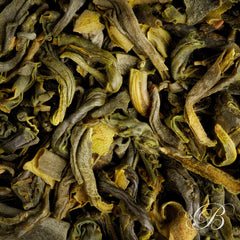
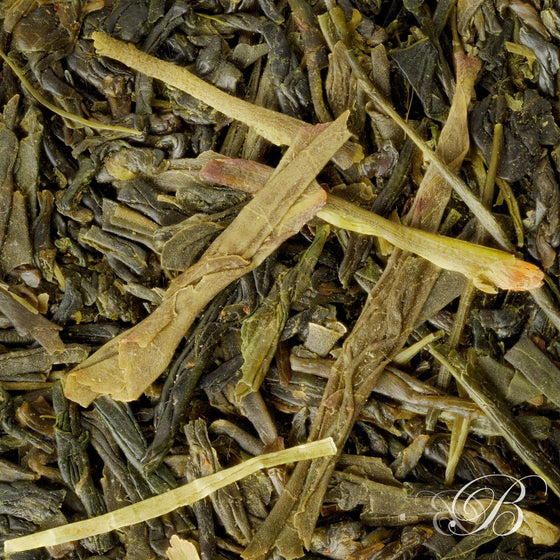
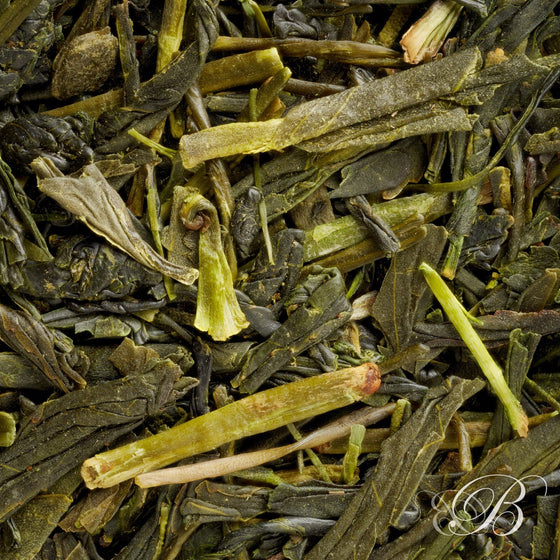
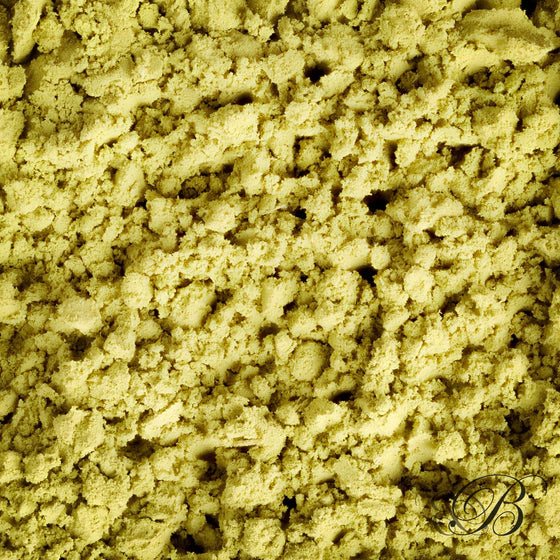
Small, dark green, "comma"-shaped leaves.

Rare and unconventional, Tamaryokucha is one of the original gems of Japanese green teas; a tea that defies boundaries, dancing between two worlds without ever completely betraying itself. For it alone embodies this singular alchemy: the steamed delicacy of Japan embracing the roasted boldness of China, in an aromatic pirouette that defies classification.

At the turn of the 20th century, while Japan dreamed of conquering world markets, a paradox plagued Kyushu tea producers. Their refined green teas remained overshadowed by a dominant Chinese presence: the legendary Gunpowder, with its leaves rolled into small balls, captivated Russian merchants and Western traders alike. How could they compete? How could they export without betraying the very essence of Japanese tea?

It was there that the idea of ​​a near-heretical compromise, a deliberate and brilliant transgression, germinated: why not combine Japanese steaming (this noble and ancient process that preserves the chlorophyll with steam) with Chinese rolling, this spiral twist that gives tea its mysterious roundness? Thus was born tamaryokucha, a steamed tea that resembles in every detail the shell-like or rolled leaves of Chinese green teas. A rebellious tea, one that rejects dogma, that defies boundaries.

In Ureshino, a tea-growing region for over six centuries, artisans are embracing this quiet revolution with passion. From the moment the first spring shoots are picked, the leaves are steamed, as per Japanese tradition—a process that preserves their freshness, their delicate flavor, and their characteristic jade-like luminosity. But where Sencha would have continued its journey as fine, refined needles, Tamaryokucha takes a different path. The leaves, still warm and supple, are rolled into a comma shape, like a small pearl coiled upon itself. It is this twist that defines its identity.

The subsequent drying process, more robust and intense than that of Sencha, adds the final touch of originality. It is in this final drum heating that the subtle hint of roasting emerges, this warm and enveloping roundness that fleetingly evokes certain Chinese green coffees, while remaining distinctly Japanese. No aggressive roasting, no burning bitterness, but a delicate warmth, an unexpected depth, as if Tamaryokucha held onto the memory of a journey never completed, a rebellion never fully embraced.

Today, Tamaryokucha remains an enchanting curiosity in the world of tea: less than 2% of Japanese production is devoted to it. Ureshino and the neighboring regions of Nagasaki, Miyazaki, and Kumamoto remain its undisputed masters. For connoisseurs, this tea represents a delicate gateway to Japanese complexity: approachable, smooth, and imbued with a latent sophistication. It is a tea for those who appreciate nuance, unexpected approaches, and traditions that dare to question themselves.

To taste a Tamaryokucha from Ureshino is to hold in your hands the story of a refined transgression; that moment when East and West meet on a tea tray, where two worlds embrace without denying each other, in a silent and eternal dance.

Food and tea pairings
For a pairing of quintessential French elegance, combine Ureshino Tamaryokucha with a fillet of sole meunière, its pearly flesh coated in simmering brown butter, sprinkled with a few capers and a squeeze of lemon. The tea's buttery richness resonates with the golden butter of the cooking process, while its nutty notes enhance the caramelized flavor of the juices. The Tamaryokucha's fresh, vegetal character, subtly lemony, balances the richness of the dish. Served at 70°C, the tea unfolds its enveloping sweetness without ever overpowering the delicate fish. A classic pairing revisited, where haute French cuisine converses with Japanese finesse.

Tamaryokucha green tea-based cocktail
For a truly pure tasting experience, prepare Tamaryokucha in the Kōridashi style. In a crystal glass, place 5 grams of leaves on top of fresh water. Gently add a few ice cubes of spring water, which will melt slowly, drop by drop, over forty-five minutes to two hours. Watch the ice transform into nectar, the liquid changing from translucent to pale jade. No infusion is smoother: the leaves release their buttery roundness and notes of toasted hazelnut, without the slightest astringency. After filtering, savor this luminous, contemplative liqueur. The rehydrated leaves can be infused briefly with hot water, or used as a small botanical treasure to enhance a dashi broth.

10417

- Green tea both sweet and aromatic -


This green tea is a rare tea that is highly sought-after in Japan. Only 4000kg of this tea are produced in the whole of Japan in one season, mainly in the region of Shizuoka.

This tea offers a sweet and aromatic cup, quite full-bodied.

Small, dark green, "comma"-shaped leaves.

Rare and unconventional, Tamaryokucha is one of the original gems of Japanese green teas; a tea that defies boundaries, dancing between two worlds without ever completely betraying itself. For it alone embodies this singular alchemy: the steamed delicacy of Japan embracing the roasted boldness of China, in an aromatic pirouette that defies classification.

At the turn of the 20th century, while Japan dreamed of conquering world markets, a paradox plagued Kyushu tea producers. Their refined green teas remained overshadowed by a dominant Chinese presence: the legendary Gunpowder, with its leaves rolled into small balls, captivated Russian merchants and Western traders alike. How could they compete? How could they export without betraying the very essence of Japanese tea?

It was there that the idea of ​​a near-heretical compromise, a deliberate and brilliant transgression, germinated: why not combine Japanese steaming (this noble and ancient process that preserves the chlorophyll with steam) with Chinese rolling, this spiral twist that gives tea its mysterious roundness? Thus was born tamaryokucha, a steamed tea that resembles in every detail the shell-like or rolled leaves of Chinese green teas. A rebellious tea, one that rejects dogma, that defies boundaries.

In Ureshino, a tea-growing region for over six centuries, artisans are embracing this quiet revolution with passion. From the moment the first spring shoots are picked, the leaves are steamed, as per Japanese tradition—a process that preserves their freshness, their delicate flavor, and their characteristic jade-like luminosity. But where Sencha would have continued its journey as fine, refined needles, Tamaryokucha takes a different path. The leaves, still warm and supple, are rolled into a comma shape, like a small pearl coiled upon itself. It is this twist that defines its identity.

The subsequent drying process, more robust and intense than that of Sencha, adds the final touch of originality. It is in this final drum heating that the subtle hint of roasting emerges, this warm and enveloping roundness that fleetingly evokes certain Chinese green coffees, while remaining distinctly Japanese. No aggressive roasting, no burning bitterness, but a delicate warmth, an unexpected depth, as if Tamaryokucha held onto the memory of a journey never completed, a rebellion never fully embraced.

Today, Tamaryokucha remains an enchanting curiosity in the world of tea: less than 2% of Japanese production is devoted to it. Ureshino and the neighboring regions of Nagasaki, Miyazaki, and Kumamoto remain its undisputed masters. For connoisseurs, this tea represents a delicate gateway to Japanese complexity: approachable, smooth, and imbued with a latent sophistication. It is a tea for those who appreciate nuance, unexpected approaches, and traditions that dare to question themselves.

To taste a Tamaryokucha from Ureshino is to hold in your hands the story of a refined transgression; that moment when East and West meet on a tea tray, where two worlds embrace without denying each other, in a silent and eternal dance.

10417

The Betjeman & Barton soul supplement

A rare and precious gem born in Kyushu, vibrant between China and Japan, with intense vegetal and buttery notes.