Japan Tea Hojicha Organic
Organic Japanese tea with notes of toasted bread

Japan Tea Hojicha Organic
100% secure payment
3 free samples with each order
Fast and free delivery for purchases over €65
- Roasted green tea -
This green tea from Japan is a roasted tea which leaves and infusion are brown. It is the ideal tea to be served with meals.
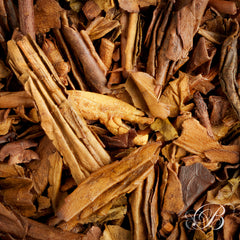
Dark-coloured leaves and thorns.
Organic roasted kukicha, sometimes called kuki-hojicha, embodies a quiet beauty and a history deeply rooted in rural Japan's ingenuity. Born in the heart of historic tea-growing regions like Uji, Shizuoka, and Kagoshima, it distinguishes itself from other Japanese teas by its composition: it is not made from the main leaves, but from their stems, twigs, and sometimes veins, sourced from the sorting of premium teas such as sencha or gyokuro. Long considered "peasant tea" or even "poor man's tea," it is now celebrated for its delicate flavor and artisanal character.
Halfway between tea and herbal infusion, kukicha was produced by farming families who made the most of their harvest: once the finest sencha and gyokuro leaves had been sold to merchants and wealthy city dwellers, they were left with these stems and twigs too small for the tea ceremony. But for reasons of economy as much as for taste, the farmers began to roast these fragments in pans, sometimes over charcoal, which gave them their warm brown color and a delicious aroma of toasted grain.
The production of roasted kukicha involves several steps: after the stems are manually sorted during the production of refined teas, they are dried and then quickly roasted in special drums or pans (hōroku) at a rather high temperature. This roasting radically transforms its aromatic profile: goodbye to the vegetal freshness of unroasted kukicha, hello to a honey or caramel-colored brew with dominant aromas of warm bread, blond sesame, hazelnut, and dry wood. The very structure of the twigs, clearly visible in roasted kukicha, offers this interplay of textures: long, flat, sometimes curved, oscillating between cinnamon, chocolate, and light tobacco. This rustic material, from the very first infusion, evokes the warmth of the hearth and simple, indulgent pleasures.
In Japan, roasted kukicha has become a staple tea, ideal for all generations. It is traditionally served after meals, particularly at dinner, due to its very low caffeine content, perfect for aiding digestion and promoting relaxation. It is also a welcome addition to family gatherings or informal get-togethers: its woody, non-astringent flavor and soothing roundness make it a perfect accompaniment to wagashi pastries, thin nut tarts, or even simple savory dishes like white rice or grilled vegetables. Its exceptional mildness also allows children and the elderly to enjoy it without worry.
The season for roasted kukicha tea peaks in autumn and the heart of winter: as the cold invites warmth, the aroma of charcoal and wood, the golden color of the liquor, and the delicate, grainy notes of this tea make it a comforting ritual. In the homes of Uji or on the tables of Kansai, it extends meals, accompanies evening conversations, or punctuates peaceful exchanges after a long day.
Today, roasted kukicha is increasingly appreciated outside of Japan, celebrated for its perfect balance: it is neither bitter nor overly sweet, but offers the gentle warmth of a campfire in a cup. It keeps alive a story of modesty, responsible sourcing, and artisanal transmission: a delicious memory that gently finds its way, twig by twig, into everyday Japanese life as well as into the global quest for authentic comfort.
Food and tea pairings
A perfectly harmonious pairing for toasted kukicha is with roasted teriyaki salmon, accompanied by a bowl of soba noodles. The toasty, sweet flavor of the kukicha blends subtly with the sweet and salty glaze and the umami notes of the salmon, while its lack of bitterness refreshes the palate. This duo, a classic in Japanese cuisine and now popular in Europe, enhances the warm indulgence of the tea while maintaining a balance of flavors.
Cocktail recipe using organic roasted Kukicha green tea
For a surprising mocktail: cold-infuse a few kukicha leaves in spring water for 2 hours. Pour over ice cubes with 10 ml of homemade syrup, a splash of lemon juice, a few shiso leaves, and top with fine sparkling water. This cocktail, with its toasty, lemony, and vegetal notes, can be enjoyed as an aperitif or dessert, offering freshness and elegance with a modern twist on Japanese style.
10407
- Roasted green tea -
This green tea from Japan is a roasted tea which leaves and infusion are brown. It is the ideal tea to be served with meals.
Dark-coloured leaves and thorns.
Organic roasted kukicha, sometimes called kuki-hojicha, embodies a quiet beauty and a history deeply rooted in rural Japan's ingenuity. Born in the heart of historic tea-growing regions like Uji, Shizuoka, and Kagoshima, it distinguishes itself from other Japanese teas by its composition: it is not made from the main leaves, but from their stems, twigs, and sometimes veins, sourced from the sorting of premium teas such as sencha or gyokuro. Long considered "peasant tea" or even "poor man's tea," it is now celebrated for its delicate flavor and artisanal character.
Halfway between tea and herbal infusion, kukicha was produced by farming families who made the most of their harvest: once the finest sencha and gyokuro leaves had been sold to merchants and wealthy city dwellers, they were left with these stems and twigs too small for the tea ceremony. But for reasons of economy as much as for taste, the farmers began to roast these fragments in pans, sometimes over charcoal, which gave them their warm brown color and a delicious aroma of toasted grain.
The production of roasted kukicha involves several steps: after the stems are manually sorted during the production of refined teas, they are dried and then quickly roasted in special drums or pans (hōroku) at a rather high temperature. This roasting radically transforms its aromatic profile: goodbye to the vegetal freshness of unroasted kukicha, hello to a honey or caramel-colored brew with dominant aromas of warm bread, blond sesame, hazelnut, and dry wood. The very structure of the twigs, clearly visible in roasted kukicha, offers this interplay of textures: long, flat, sometimes curved, oscillating between cinnamon, chocolate, and light tobacco. This rustic material, from the very first infusion, evokes the warmth of the hearth and simple, indulgent pleasures.
In Japan, roasted kukicha has become a staple tea, ideal for all generations. It is traditionally served after meals, particularly at dinner, due to its very low caffeine content, perfect for aiding digestion and promoting relaxation. It is also a welcome addition to family gatherings or informal get-togethers: its woody, non-astringent flavor and soothing roundness make it a perfect accompaniment to wagashi pastries, thin nut tarts, or even simple savory dishes like white rice or grilled vegetables. Its exceptional mildness also allows children and the elderly to enjoy it without worry.
The season for roasted kukicha tea peaks in autumn and the heart of winter: as the cold invites warmth, the aroma of charcoal and wood, the golden color of the liquor, and the delicate, grainy notes of this tea make it a comforting ritual. In the homes of Uji or on the tables of Kansai, it extends meals, accompanies evening conversations, or punctuates peaceful exchanges after a long day.
Today, roasted kukicha is increasingly appreciated outside of Japan, celebrated for its perfect balance: it is neither bitter nor overly sweet, but offers the gentle warmth of a campfire in a cup. It keeps alive a story of modesty, responsible sourcing, and artisanal transmission: a delicious memory that gently finds its way, twig by twig, into everyday Japanese life as well as into the global quest for authentic comfort.
10407
The Betjeman & Barton soul supplement
The gateway to Japanese tea, in a light and refined version, between tea and herbal tea.
You may also like

Black tea Yunnan Dian Hong T.G.F.O.P
Very delicate Chinese tea with notes of chocolate
Add to cart
Last viewed products