Green tea Yunnan

China tea with green and floral notes

Regular price 13,10 €
Sale price 13,10 € Regular price 13,10 €
Unit price  per 
Tax included. Shipping calculated at checkout.
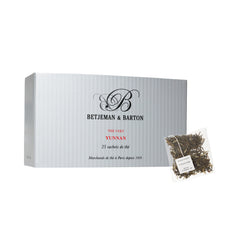
bulk packaging
Thé vert chinois Yunnan - Thés

Green tea Yunnan

100% secure payment

3 free samples with each order

Fast and free delivery for purchases over €65

Tasting moment:
Tasting moment: Tout au long de la journée
Infusion time:
Infusion time: 2-3 min
Water temperature:
Water temperature: 80°C

- Green tea with full-bodied liquor -


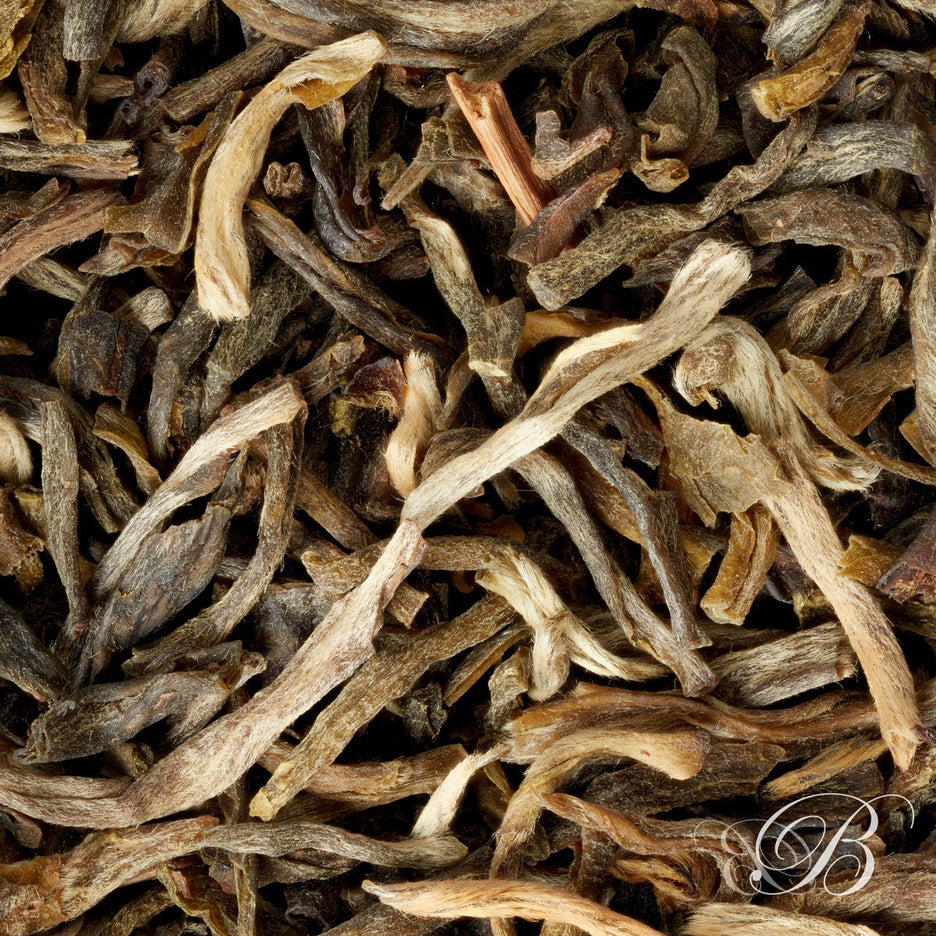
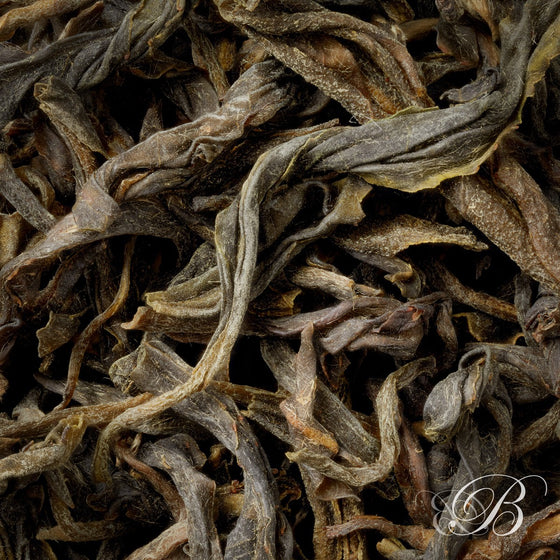
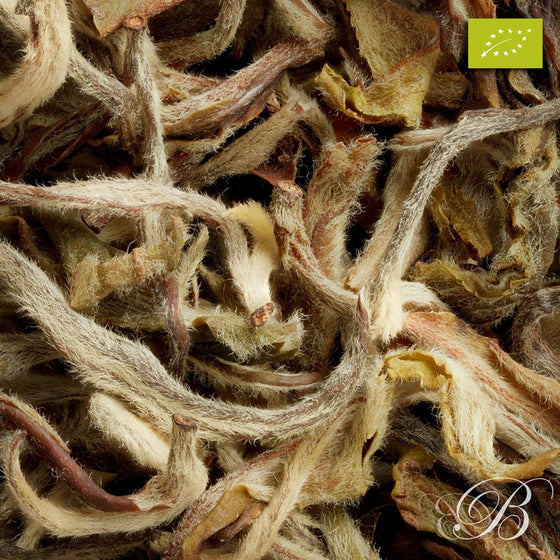
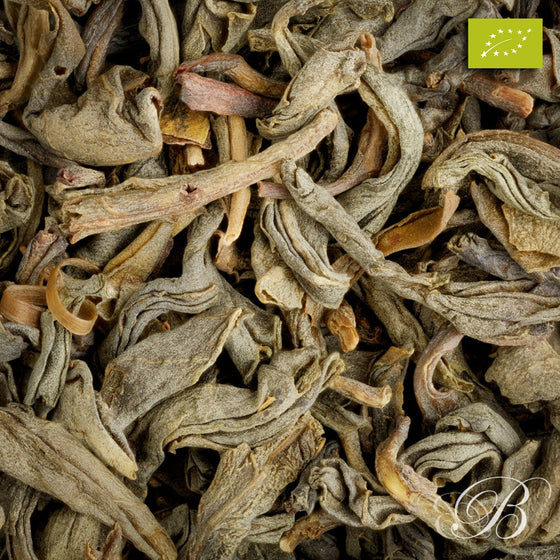
This green tea is cultivated in the South of the Yunnan Province. The leaves are wavy. This tea offers a pale yellow brew with a full-bodied liquor. To be enjoyed plain, with no milk.

In the far reaches of southwestern China, where the Yunnan mountains meet the borders of Myanmar, Laos, and Tibet, lies one of the oldest and most mysterious regions of tea culture: Yunnan, literally "south of the clouds." It was here, in the misty tropical forests of Lincang, Xishuangbanna, and Simao, that the story of Yunnan green tea began more than two thousand years ago; a story of wild trees, forgotten peoples, and caravan routes.

According to some historical writings, Yunnan has a tea history dating back more than 2000 years. Furthermore, it is believed that the Pu, an ethnic minority still living in the Lincang and Xishuangbanna mountains, began planting and domesticating wild tea plants as early as the Shang Dynasty (1600-1050 BC), more than 1500 years before Lu Yu's famous Classic of Tea.

Unlike coastal provinces such as Zhejiang or Fujian, renowned for their delicate and refined green teas, Yunnan has long been associated with pu-erh tea (fermented dark tea) and Dian Hong (black tea). Yet, green tea has been grown there for centuries, cultivated discreetly by the mountain ethnic minorities who consider tea a sacred gift from the earth and a cornerstone of their way of life. For these people, tea is not just a beverage: it is a spiritual ritual, an offering to their ancestors, a symbol of purity and reverence.

Yunnan green tea is distinguished by its unique botanical characteristics: unlike traditional Chinese green teas made from the Camellia sinensis var. sinensis (small leaves), Yunnan green tea comes primarily from the Camellia sinensis var. assamica (large leaves), the same variety used for pu-erh. This variety, endemic to Yunnan, gives the green tea a more robust, full-bodied flavor, with notes of nuts and sometimes even forest floor. This aromatic profile may surprise those who prefer delicate green teas, but it appeals to those seeking a wilder, more authentic experience.

Over the centuries, Yunnan green tea remained relatively unknown, overshadowed by the fame of pu-erh. It wasn't until 1795 that Yunnan teas began to gain recognition in Imperial China, when Yi Wu tea was elevated to the status of imperial tea, thus initiating the famous Tea Horse Road that connected the Yunnan mountains to Beijing, traversing Tibet and the Himalayan regions. This legendary route, traveled by caravans of muleteers and horses for centuries, not only spread Yunnan tea throughout China and beyond, but also shaped the cultural identity of Lincang and the surrounding areas, blending trade with spiritual exchange.

Today, Yunnan green tea remains a hidden treasure, overshadowed by the fame of pu-erh but cherished by those fortunate enough to discover it. It embodies the wild spirit of Yunnan's forests, the ancestral wisdom of the mountain peoples, and the living heritage of one of the world's oldest tea-growing regions.

Food and tea pairings
Yunnan green tea, with its robust body and earthy notes, pairs beautifully with flavorful dishes. Try it alongside an autumnal dish of roasted porcini, chanterelle, and morel mushrooms drizzled with hazelnut oil. The intense, earthy green tea echoes the deep umami of the recipe. Its rich texture and notes of undergrowth, nuts, and humus resonate with the velvety richness of the mushrooms, while a subtle astringency lingers on the palate and refreshes the taste.

Recipe based on Yunnan green tea
Imagine delicate Chinese dumplings filled with shrimp and scallions, bathed in a clear broth infused with Yunnan green tea, enhanced with fresh ginger and silky shiitake mushrooms. This tea, with its herbaceous strength and forest-like depth, imbues the broth with an unexpected aroma: it reveals the sweetness of the filling, enhances each bite with a woody and velvety note, and invites you on a pure sensory journey, a blend of steam, forest, and Chinese refinement.

10336

- Green tea with full-bodied liquor -


This green tea is cultivated in the South of the Yunnan Province. The leaves are wavy. This tea offers a pale yellow brew with a full-bodied liquor. To be enjoyed plain, with no milk.

In the far reaches of southwestern China, where the Yunnan mountains meet the borders of Myanmar, Laos, and Tibet, lies one of the oldest and most mysterious regions of tea culture: Yunnan, literally "south of the clouds." It was here, in the misty tropical forests of Lincang, Xishuangbanna, and Simao, that the story of Yunnan green tea began more than two thousand years ago; a story of wild trees, forgotten peoples, and caravan routes.

According to some historical writings, Yunnan has a tea history dating back more than 2000 years. Furthermore, it is believed that the Pu, an ethnic minority still living in the Lincang and Xishuangbanna mountains, began planting and domesticating wild tea plants as early as the Shang Dynasty (1600-1050 BC), more than 1500 years before Lu Yu's famous Classic of Tea.

Unlike coastal provinces such as Zhejiang or Fujian, renowned for their delicate and refined green teas, Yunnan has long been associated with pu-erh tea (fermented dark tea) and Dian Hong (black tea). Yet, green tea has been grown there for centuries, cultivated discreetly by the mountain ethnic minorities who consider tea a sacred gift from the earth and a cornerstone of their way of life. For these people, tea is not just a beverage: it is a spiritual ritual, an offering to their ancestors, a symbol of purity and reverence.

Yunnan green tea is distinguished by its unique botanical characteristics: unlike traditional Chinese green teas made from the Camellia sinensis var. sinensis (small leaves), Yunnan green tea comes primarily from the Camellia sinensis var. assamica (large leaves), the same variety used for pu-erh. This variety, endemic to Yunnan, gives the green tea a more robust, full-bodied flavor, with notes of nuts and sometimes even forest floor. This aromatic profile may surprise those who prefer delicate green teas, but it appeals to those seeking a wilder, more authentic experience.

Over the centuries, Yunnan green tea remained relatively unknown, overshadowed by the fame of pu-erh. It wasn't until 1795 that Yunnan teas began to gain recognition in Imperial China, when Yi Wu tea was elevated to the status of imperial tea, thus initiating the famous Tea Horse Road that connected the Yunnan mountains to Beijing, traversing Tibet and the Himalayan regions. This legendary route, traveled by caravans of muleteers and horses for centuries, not only spread Yunnan tea throughout China and beyond, but also shaped the cultural identity of Lincang and the surrounding areas, blending trade with spiritual exchange.

Today, Yunnan green tea remains a hidden treasure, overshadowed by the fame of pu-erh but cherished by those fortunate enough to discover it. It embodies the wild spirit of Yunnan's forests, the ancestral wisdom of the mountain peoples, and the living heritage of one of the world's oldest tea-growing regions.

10336

The Betjeman & Barton soul supplement

Born from the wild forests of Yunnan, this green tea embodies the strength of nature and the eternal spirit of tea.