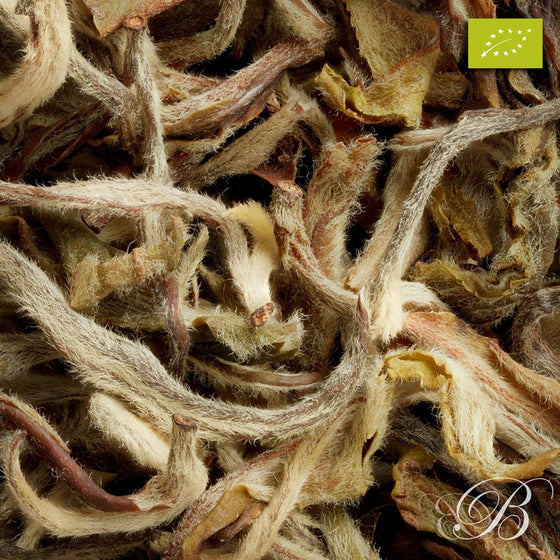
Nepal tea Gold Shangri La Organic Golden tips

Organic Nepalese tea with notes of fig

Nepal black tea with fig aromas


This black tea from Nepal is grown at an altitude of 2400m, facing the Himalayas, in Garden of the Shangri La. This garden is beginning to be known and recognized, and deserves it.

This black tea offers a fairly light cup, perfect for lovers who enjoy tasting their tea without milk. It is the much younger tea trees than in Darjeeling (at most 15 years) that give the tea a lot of delicacy, as well as notes of blond tobacco and figs.

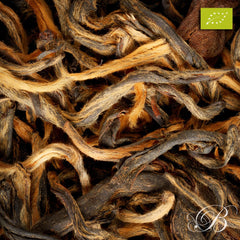
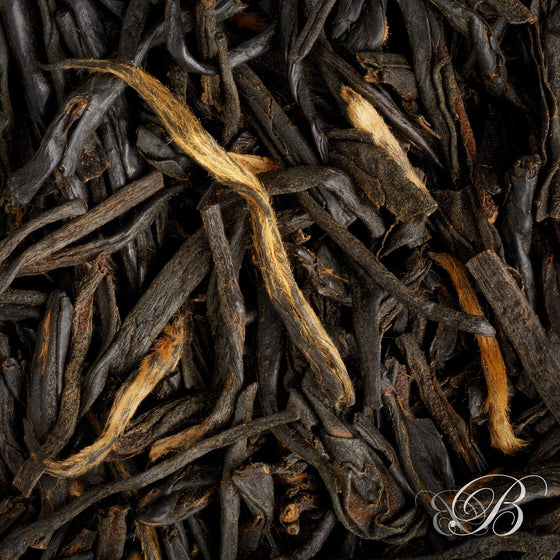
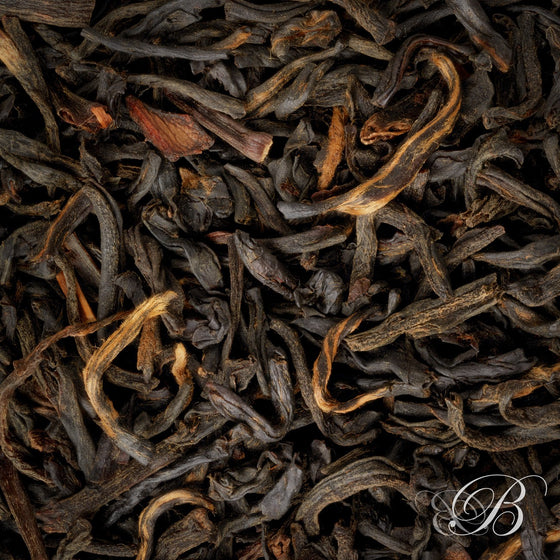
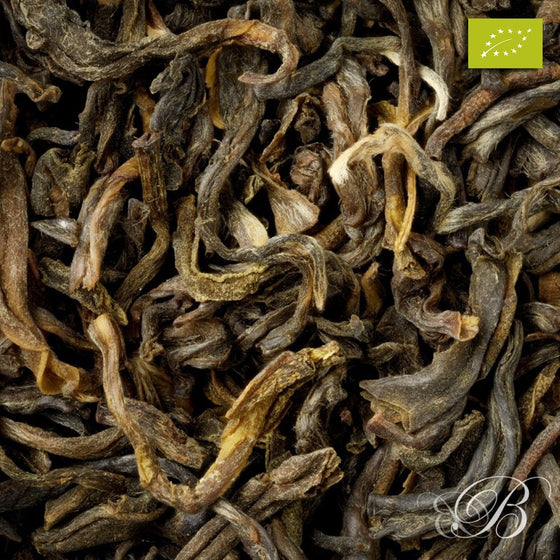
Nepal, Valley of Ilam, Garden of Shangri La. Whole leaves with a lot of golden tips.

Read more
Regular price 32,90 €
Sale price 32,90 € Regular price 32,90 €
Unit price  per 
Tax included. Shipping calculated at checkout.
bulk packaging
Thé noir Népal Gold Shangri La bio Golden Tips - Thés

Nepal tea Gold Shangri La Organic Golden tips

100% secure payment

3 free samples with each order

Fast and free delivery for purchases over €65

Tasting moment:
Tasting moment: Tout au long de la journée
Infusion time:
Infusion time: 3-5 min
Water temperature:
Water temperature: 90°C

Nepal black tea with fig aromas


This black tea from Nepal is grown at an altitude of 2400m, facing the Himalayas, in Garden of the Shangri La. This garden is beginning to be known and recognized, and deserves it.

This black tea offers a fairly light cup, perfect for lovers who enjoy tasting their tea without milk. It is the much younger tea trees than in Darjeeling (at most 15 years) that give the tea a lot of delicacy, as well as notes of blond tobacco and figs.

Nepal, Valley of Ilam, Garden of Shangri La. Whole leaves with a lot of golden tips.

Shangri-La Golden Tips Organic was born from a singular ambition: to cultivate, on the Himalayan slopes of Nepal, a black tea capable of holding its own against the finest teas of Asia. Unlike China, where tea culture is rooted in millennia of tradition, Nepal is a relatively recent tea-growing region. Yet it was the Nepalese who planted these tea bushes at the end of the 19th century, drawing inspiration from small-leaf Chinese cultivars introduced via neighboring India. These plants, acclimatized to the altitude and demanding climate of the Himalayas, have found a new expression here, brighter and more vertical.

The gardens from which Shangri-La Golden Tips Organic tea originates do not stretch across vast plateaus. They cling to slopes, often steep, sometimes spectacular. This topography necessitates entirely manual cultivation. Nothing is mechanized. Each tea plant is worked by hand, each leaf picked with precision. This geographical constraint is also the key to its excellence: it naturally limits the yields and promotes a remarkable aromatic concentration.

This exceptional black tea comes from an extremely fine plucking, focusing on the golden buds and young leaves, recognizable by their luminous down. These "golden tips," rich in natural sugars and low in harsh tannins, give the tea its depth and natural balance. The harvest is slow, demanding, and reserved for experienced pickers. A day's work yields only a few hundred grams of finished tea.

Production relies primarily on small family gardens or local cooperatives, rarely on large companies. Each harvest is the result of a delicate balance between climate, altitude, and expertise. Annual volumes are small and vary depending on weather conditions. A season that is too wet or too dry can significantly reduce production. Here, tea is not standardized. It expresses itself vintage after vintage.

Comparison with Chinese black teas is inevitable, but the competition isn't direct. While China boasts historical continuity and immense regional diversity, Nepal offers a more refined and contemporary interpretation of mountain tea. Shangri-La Golden Tips Organic doesn't seek to imitate. It asserts its own identity, marked by aromatic clarity, natural sweetness, and understated elegance.

In Nepal, this type of tea remains relatively uncommon locally. Everyday tea is often simple, sometimes spiced or milky. Prestigious black teas, like this Golden Tips, are primarily destined for export. They find their audience among discerning connoisseurs seeking rare, authentic teas that reflect their terroir.

The name Shangri-La is not merely a poetic device. It evokes the idea of ​​a pristine place, nestled in the Himalayas, where the balance between humankind and nature remains intact. Shangri-La Golden Tips Organic is the tangible expression of this: a rare black tea, shaped by the mountain and conceived as a work of patience and exacting standards. A grand cru, in the truest sense of the word.

Food and tea pairing
Shangri-La Golden Tips Organic pairs perfectly with a rich, slightly runny dark chocolate cake made with chestnut honey, a dessert that could be called a "Dark Brut." This dessert plays on an elegant bitterness and a controlled sweetness. The powerful, subtly woody chestnut honey naturally enhances the tea's notes, while the deep cocoa underscores its structure. On the palate, the tea refines the texture, lightens the sweetness, and lengthens the finish. A precise, modern, and sophisticated pairing that invites you to rediscover chocolate through the lens of an exceptional Nepalese tea.

Recipe using Shangri-La Golden Tips Superior Organic Nepalese Tea
Treat your kitchen to a moment of pure indulgence with this Shangri-La Golden Tips Organic ganache, where black tea becomes a true chef's ingredient. Its natural notes of forest honey and blond wood infuse the cream with a rare depth, which the dark chocolate then envelops with elegant intensity. Smooth, glossy, and sophisticated, this ganache reveals a subtle balance between noble bitterness and honeyed sweetness. A simple recipe in its execution, yet precious in its result, ideal for elevating a dessert, filling a pastry, or surprising with the finesse of a pairing inspired by the great teas of the Himalayas.

10600

Nepal black tea with fig aromas


This black tea from Nepal is grown at an altitude of 2400m, facing the Himalayas, in Garden of the Shangri La. This garden is beginning to be known and recognized, and deserves it.

This black tea offers a fairly light cup, perfect for lovers who enjoy tasting their tea without milk. It is the much younger tea trees than in Darjeeling (at most 15 years) that give the tea a lot of delicacy, as well as notes of blond tobacco and figs.

Nepal, Valley of Ilam, Garden of Shangri La. Whole leaves with a lot of golden tips.

Shangri-La Golden Tips Organic was born from a singular ambition: to cultivate, on the Himalayan slopes of Nepal, a black tea capable of holding its own against the finest teas of Asia. Unlike China, where tea culture is rooted in millennia of tradition, Nepal is a relatively recent tea-growing region. Yet it was the Nepalese who planted these tea bushes at the end of the 19th century, drawing inspiration from small-leaf Chinese cultivars introduced via neighboring India. These plants, acclimatized to the altitude and demanding climate of the Himalayas, have found a new expression here, brighter and more vertical.

The gardens from which Shangri-La Golden Tips Organic tea originates do not stretch across vast plateaus. They cling to slopes, often steep, sometimes spectacular. This topography necessitates entirely manual cultivation. Nothing is mechanized. Each tea plant is worked by hand, each leaf picked with precision. This geographical constraint is also the key to its excellence: it naturally limits the yields and promotes a remarkable aromatic concentration.

This exceptional black tea comes from an extremely fine plucking, focusing on the golden buds and young leaves, recognizable by their luminous down. These "golden tips," rich in natural sugars and low in harsh tannins, give the tea its depth and natural balance. The harvest is slow, demanding, and reserved for experienced pickers. A day's work yields only a few hundred grams of finished tea.

Production relies primarily on small family gardens or local cooperatives, rarely on large companies. Each harvest is the result of a delicate balance between climate, altitude, and expertise. Annual volumes are small and vary depending on weather conditions. A season that is too wet or too dry can significantly reduce production. Here, tea is not standardized. It expresses itself vintage after vintage.

Comparison with Chinese black teas is inevitable, but the competition isn't direct. While China boasts historical continuity and immense regional diversity, Nepal offers a more refined and contemporary interpretation of mountain tea. Shangri-La Golden Tips Organic doesn't seek to imitate. It asserts its own identity, marked by aromatic clarity, natural sweetness, and understated elegance.

In Nepal, this type of tea remains relatively uncommon locally. Everyday tea is often simple, sometimes spiced or milky. Prestigious black teas, like this Golden Tips, are primarily destined for export. They find their audience among discerning connoisseurs seeking rare, authentic teas that reflect their terroir.

The name Shangri-La is not merely a poetic device. It evokes the idea of ​​a pristine place, nestled in the Himalayas, where the balance between humankind and nature remains intact. Shangri-La Golden Tips Organic is the tangible expression of this: a rare black tea, shaped by the mountain and conceived as a work of patience and exacting standards. A grand cru, in the truest sense of the word.

10600

The Betjeman & Barton soul supplement

Himalayan gold in your cup, shaped by the slowness, altitude and exacting standards of the world's highest gardens.