Black teas

Accompanied by a beautiful coppery color after infusion, the Black tea also has an intense aroma capable of delighting multiple taste buds, including those of inveterate coffee drinkers.

At Betjeman & Barton, black tea is enjoyed neat or incorporated into blends with floral, gourmand, woody, or even spicy notes. Produced in France and inspired by English traditions, our exceptional black teas are defined by a unique DNA, reflecting the singularity of our House in the highly sensory world of tea.

Whether you are a connoisseur or a complete novice, succumb to the elegance and authenticity of a superior quality black tea through our online store.

Ceylon Roehampton B.O.P

Full-bodied and fruity Ceylon tea

Regular price From 7,10 €
Sale price From 7,10 € Regular price 7,10 €
Unit price  per 

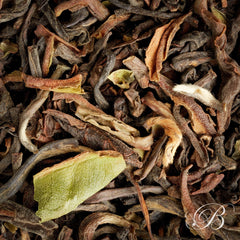
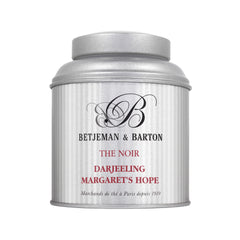
Darjeeling Margaret's Hope T.G.F.O.P

Very aromatic Darjeeling tea

Regular price From 13,45 €
Sale price From 13,45 € Regular price 13,45 €
Unit price  per 
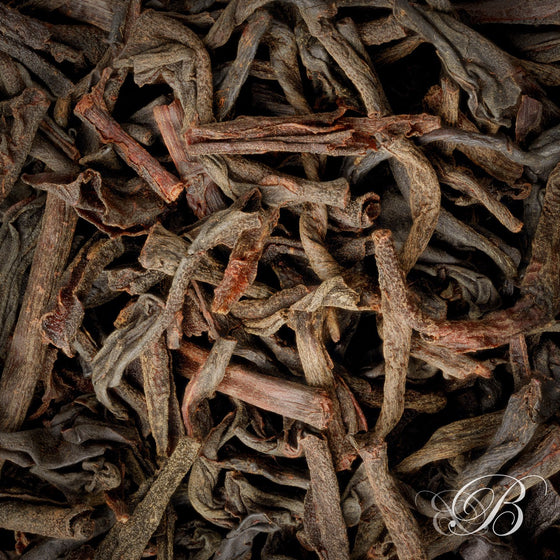
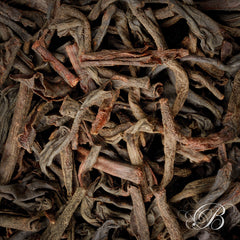
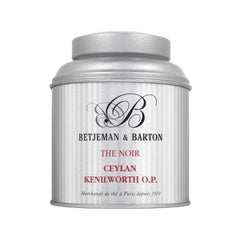
Ceylon Kenilworth O.P

Lightly-bodied Ceylon tea

Regular price From 10,45 €
Sale price From 10,45 € Regular price 10,45 €
Unit price  per 
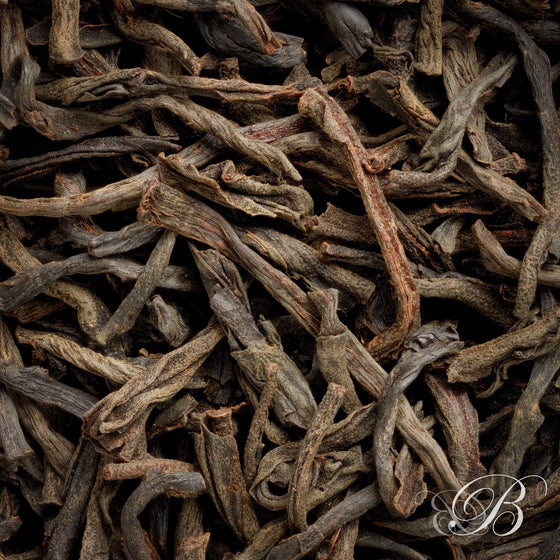
Ceylon Pettiagalla O.P

Very fruity Ceylon tea

Regular price From 6,45 €
Sale price From 6,45 € Regular price 6,45 €
Unit price  per 
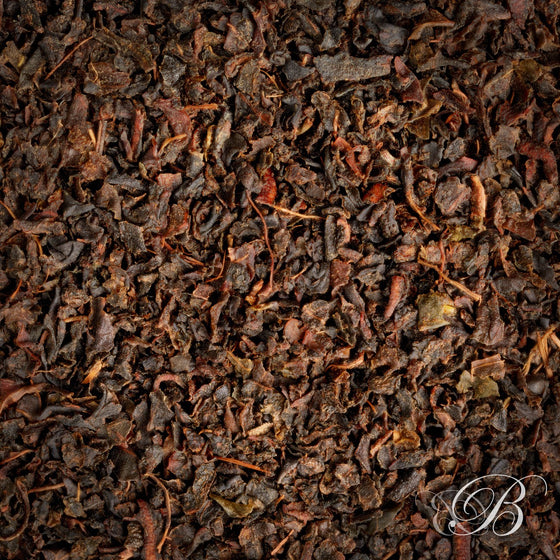
Ceylon St James Fannings B.O.P

Very full-bodied and powerful Ceylon tea

Regular price From 19,10 €
Sale price From 19,10 € Regular price 19,10 €
Unit price  per 
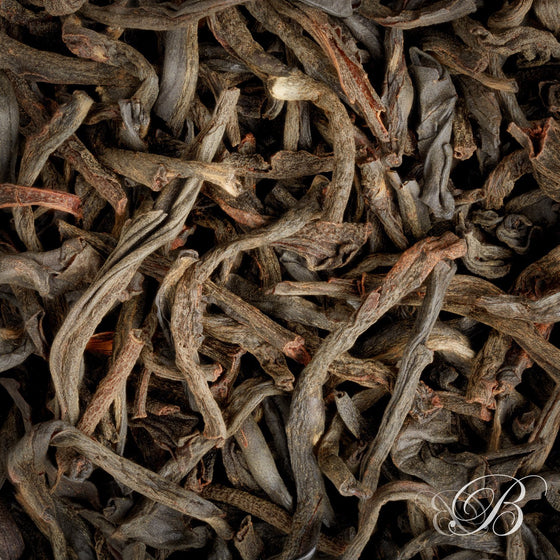
Ceylon Kalleboka F.O.P

Ceylon tea with a strong taste.

Regular price From 9,80 €
Sale price From 9,80 € Regular price 9,80 €
Unit price  per 
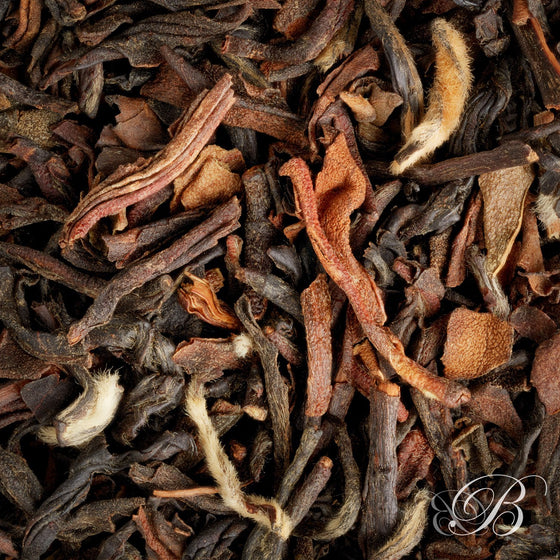
Darjeeling Sikkim Temi G.F.O.P

Darjeeling tea with sweet notes

Regular price From 13,25 €
Sale price From 13,25 € Regular price 13,25 €
Unit price  per 
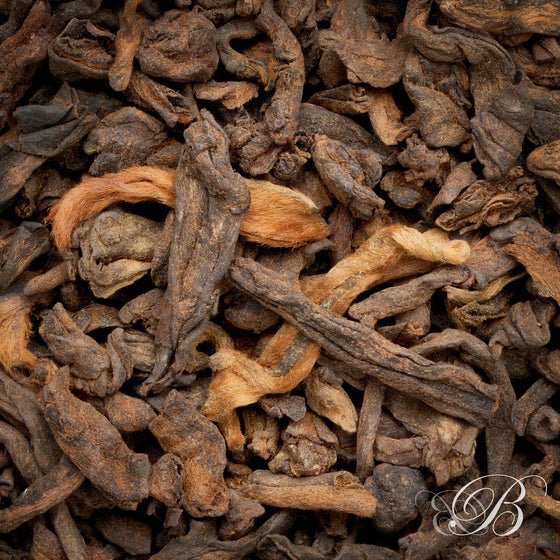
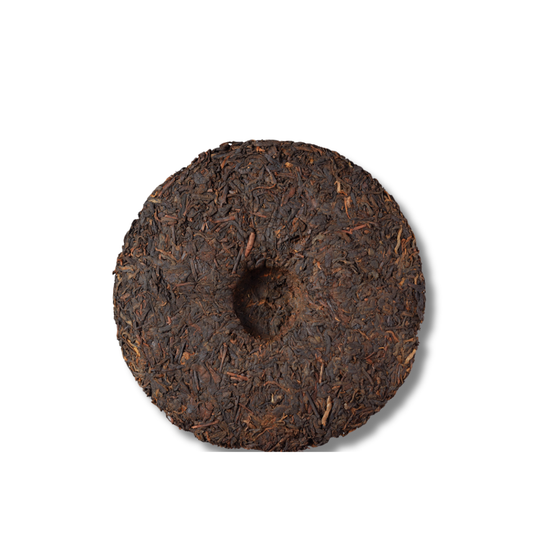
Black tea Pu Erh Yunnan

Delicate Chinese tea for a Pu-Er

Regular price From 8,93 €
Sale price From 8,93 € Regular price 8,93 €
Unit price  per 
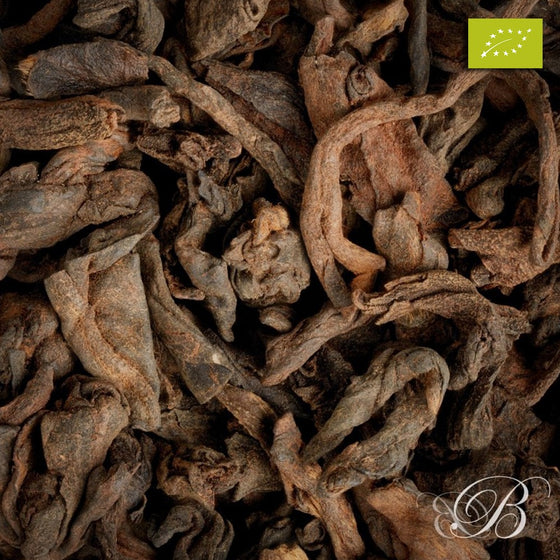
Black tea Pu Erh Organic

Organic Chinese pu-erh tea with undergrowth notes

Regular price From 40,35 €
Sale price From 40,35 € Regular price 40,35 €
Unit price  per 
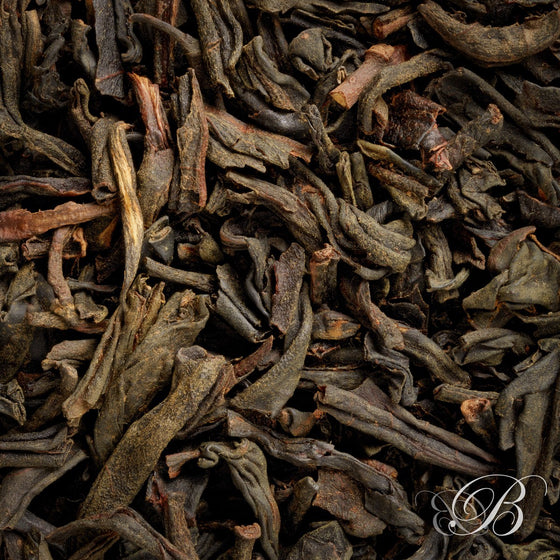
Liquorice

Black tea flavored with licorice

Regular price From 6,45 €
Sale price From 6,45 € Regular price 6,45 €
Unit price  per 

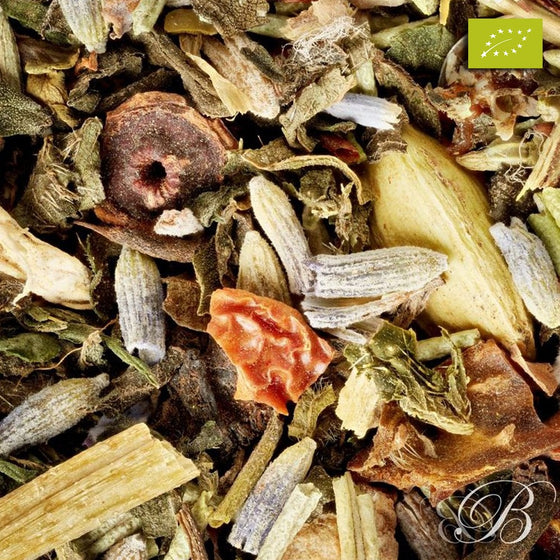
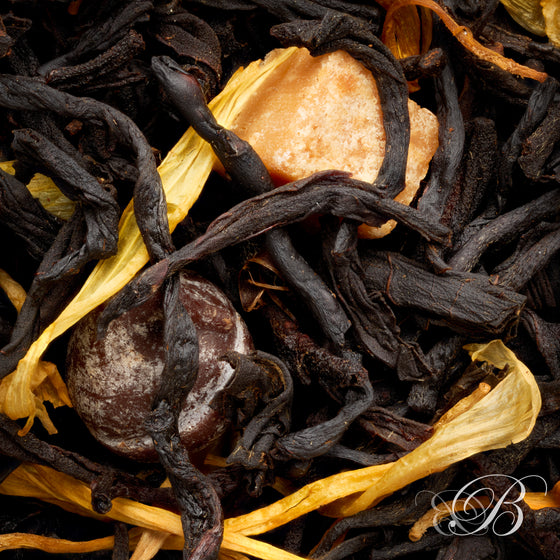
Beautiful B Organic black tea

Organic black tea and flavored rooibos, rosemary and some spices

Regular price From 8,45 €
Sale price From 8,45 € Regular price 8,45 €
Unit price  per 
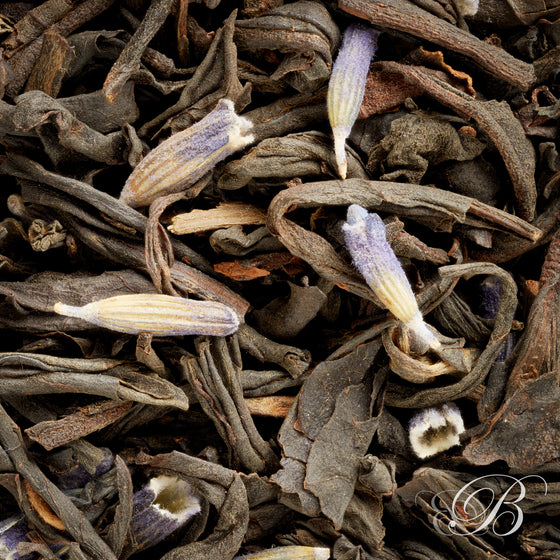
Green Tea - Mystic Sahara

Green and black tea flavored with bergamot and mint

Regular price From 10,50 €
Sale price From 10,50 € Regular price 10,50 €
Unit price  per 
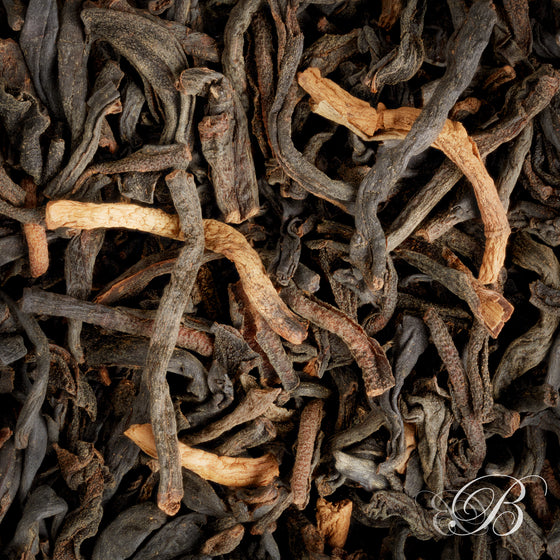
Decaffeinated Ceylon black tea

Ceylon tea without caffeine

Regular price From 11,10 €
Sale price From 11,10 € Regular price 11,10 €
Unit price  per 
You've seen 108 products out of 108

Black teas

Black tea, a hot drink with a comforting intensity

Legend has it that black tea, like the tarte Tatin in pastries, was the result of an unexpected mishap. To understand the supposed origins of black tea, we must travel back to the 17th century and look to England.

A shipment of green tea from China reportedly arrived in London after an interminable sea voyage. However, the crates of green tea burst open during the voyage, causing the leaves to oxidize upon contact with oxygen. The tea leaves, which turned black, were still consumed by the English, who greatly appreciated their powerful flavor.

Black tea actually has the particularity of being the most oxidized tea. Now essential, it has even established itself as the most popular tea in the West, where many tea lovers consume it daily. The famous teaEarl Greyis nothing more or less than a black tea with bergamot, which owes its name to the family of the British Earl Charles Grey (1764-1845). Here again, the legend is true: a servant of the Grey family took the initiative of dipping a slice of bergamot into the black tea served to his masters, giving birth to a world-famous tea.

As for theDarjeeling, which also counts amongthe most famous black teas in the world, it simply takes its name from the Indian city, located more specifically in the state of West Bengal, in which it is cultivated. Described as the cream of black teas, it is recognizable by its amber color, its pure taste as well as its delicate bitterness.

Within our Tea House, the most traditional black teas sit alongside more fanciful blends, in harmony with our own hybrid identity. As a result,Earl Grey comes in a classic version,biologicalOrdecaffeinatedthrough our catalog of luxury teas, while theDarjeelingblends its musky notes with fruity or floral notes rich in sensoriality.

Black teas from China, like Pu-Er which improves with age, from Nepal or even Japan complete our vast collection of natural and flavored black teas. From cherry blossom to cocoa bean, including citrus fruits, the ingredients that enhance our flavored black teas promise you a real taste pleasure with every sip.

Also travel to exotic lands in the heart of summer with our“Exotic Olympic” teawith sunny notes of passion fruit, mango and pineapple, or travel to India in the middle of winter with the iconic black tea “Chai” with warm spices.

What are the stages of black tea production?

In the same way thatgreen tea,white teaAndoolong tea, black tea is produced from a single shrub. This is the Camellia sinensis, from which leaves are picked whose processing and oxidation give the characteristic color of black tea.

Let us first emphasize the fact thatblack tea requires more manufacturing stepsthan other tea varieties. Once the leaves are harvested, they go through the withering stage, the objective of which is to soften the leaves to facilitate rolling. Lasting an average of 15 hours to obtain a high-quality black tea, withering consists of spreading the tea leaves on a grid and placing them in contact with the air, the temperature and humidity of which are carefully controlled.

This step then begins the oxidation process of the leaves, which continues through the rolling stage. Generally speaking, rolling consists of rolling the leaves on themselves, lengthwise, to release the juices and essential oils. In the context of black tea production, however, rolling accelerates oxidation by breaking the cells of the tea leaves.

Next comes oxidation, which revealsthe bitterness of the tea and the color of its liquorafter infusion. The leaves are spread out on steel, glass, or ceramic trays in a warm, humid atmosphere. To stop oxidation, drying is necessary, which destroys the enzyme responsible for oxidation. Typically, black tea leaves are dried in a cylindrical vat heated to 120°C for 20 to 30 minutes.

After sorting the leaves, the black tea is finally ready to be brewed and enjoyed. Because we view tea drinking as a true sensory experience, we reveal the optimal conditions for enjoying a delicious Betjeman & Barton black tea.

Under what conditions should you enjoy a cup of black tea?

If consumed throughout the day,Black tea is particularly appreciated at breakfast and at tea time., a special moment for tea lovers.Earl Grey teasAndDarjeelingThey also go perfectly with sweet treats, whether biscuits or pastries.

To fully reveal the flavors of black tea, it is recommended to infuse it in water between 80 and 90°C on average, for approximately 3 to 5 minutes, depending on its origin and individual preferences. With or without a splash of milk, your black tea will then be the ideal companion for your moments of relaxation and other daily wellness breaks.

Tasty and beautifully packaged, theBetjeman & Barton black teasare also precious gifts to offer to the gourmets in your life. Sold in bulk from 100 g to 1 kg, they will allow your loved ones to (re)discover the innocent pleasure of a cup of black tea with enveloping scents and flavors.